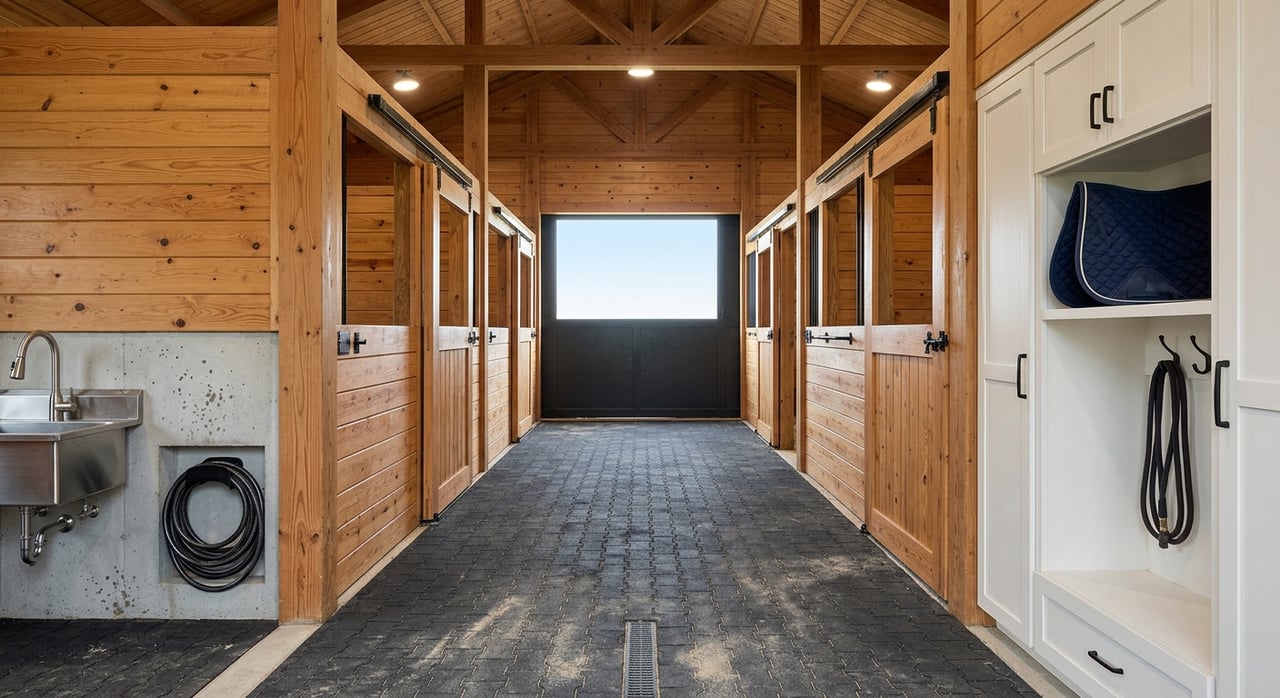
Selling a Foxfield acreage or equestrian property is not the same as listing a typical suburban home. Buyers are not just evaluating square footage and finishes. They are also looking at land use, horse setup, access, outbuildings, permits, and whether the property feels truly ready for its next owner. If you want a smoother sale and stronger buyer confidence, it helps to prepare in the right order. Let’s dive in.
Why Foxfield acreage sales need a different plan
Foxfield is a small statutory town in Arapahoe County with a distinctive acreage setting. The town notes that it covers about 1.25 square miles and had 277 homes and 768 residents in the 2020 census. It also emphasizes open space, trail access, and gate-controlled traffic, which means privacy, approach, and ease of access can all shape how buyers perceive value.
That local context matters when you sell. On an acreage or equestrian property, buyers often focus just as much on the land and supporting structures as they do on the house itself. A well-prepared property should answer practical questions early and clearly.
Step 1: Confirm the property’s jurisdiction
Before you market anything, confirm whether the parcel is inside Foxfield or in unincorporated Arapahoe County. Arapahoe County provides parcel search and jurisdiction lookup tools, and Foxfield appears separately in that jurisdiction list.
This step matters because zoning and permit rules can differ depending on jurisdiction. If you assume county rules apply to a property that is actually in Foxfield, you could misstate animal allowances, structure compliance, or permit history. That can create confusion at exactly the wrong time.
Step 2: Review zoning and animal rules
If your property is in Foxfield, the municipal code allows the housing, keeping, or sheltering of domestic farm animals only in the RR zone district. The code also allows one horse, pot-bellied pig, goat, sheep, donkey, mule, llama, or alpaca per acre or portion thereof.
Foxfield also requires a minimum lot area of 85,000 square feet for domestic farm animals, fowl, and bees. Horses and similar animals must be kept in a fenced area, and manure may not accumulate to the point that it creates a health or safety hazard.
If the property is in unincorporated Arapahoe County, rural-residential district rules vary by district. Minimum single-family lot sizes are 9 acres in RR-A, 2.41 acres in RR-B, and 1.61 acres in RR-C. The county code also says private stables in A-E, A-1, RR-A, and RR-B must be on the rear half of the lot, 25 feet from all property lines, and 50 feet from any dwelling unit.
For a seller, this means buyer questions about horses, barns, fencing, and acreage use should be answered with precision. General statements are not enough. Clear, accurate information helps your property feel more credible from the start.
Step 3: Gather your disclosure documents early
Acreage and equestrian properties usually require more documentation than a standard residential listing. Colorado’s Division of Real Estate lists Commission-approved 2026 forms for land seller disclosure, residential seller disclosure, the Additional Structure supplement, and a Source of Water addendum.
The Additional Structure supplement is especially important if you have a barn, detached garage, shed, or similar outbuilding. It asks about roof condition, water, sewer or septic, building permits, and other known adverse material facts. If you wait until the property is under contract to track this down, you may lose valuable time.
A clean property file can also make your listing process more organized and less stressful. It gives buyers clearer answers and reduces the chance of last-minute surprises during inspections and due diligence.
What to gather before listing
- Residential seller disclosure, if applicable
- Land seller disclosure, if applicable
- Additional Structure supplement for barns, detached garages, or other outbuildings
- Source of Water addendum
- Building permits and final inspection records
- Septic records for any structure served by septic
- Well permit records, if the property uses a private well
- Receipts or records for major repairs and site improvements
Step 4: Pull well and septic records
If your property has a private well, gather the well permit file before photography and showings begin. The Colorado Division of Water Resources says that file can include allowable uses of the well, the original permit application, and any available well construction and pump installation records.
If an outbuilding or accessory dwelling is served by septic, the current Colorado disclosure supplement asks for the permit, latest inspection date, latest pumping date, and whether the system is under a maintenance agreement. That means septic documentation is part of your listing prep, not something to chase only at closing.
Buyers shopping for acreage often expect these systems to be documented. When you have the records ready, your property feels better managed and easier to evaluate.
Step 5: Check barns, sheds, and other structures
Accessory structures can add real value, but only when they are properly documented and presented. Foxfield states that accessory structures larger than 120 square feet, including barns, garages, and sheds, must meet specific design requirements and be reviewed before a permit is issued.
The town also notes that its building regulations differ from Arapahoe County’s. In other words, you should not assume that a county-approved improvement is automatically compliant inside Foxfield.
Foxfield’s general permit guidance also notes that larger additions, detached garages, sheds, pole barns, greenhouses, fences, and grading-related work may trigger building, zoning, or engineering review. If you have records for fences, barns, grading, driveway work, electrical changes, or remodels that affected the site plan, gather them now.
Step 6: Clean up the land, not just the house
On an acreage property, buyers notice the land immediately. Pasture condition, fencing, gate areas, barn cleanliness, and overall site care all help shape the first impression.
Colorado State University Extension’s small-acreage guidance focuses on soil, water, air, plants, wildlife, fencing, and horse pasture management. Its horse-barn guidance says manure and used bedding should be stored away from horses where runoff will not enter horse housing areas, removed from the property at least every seven days, and not spread on fields that horses are currently using.
Foxfield also stresses weed management and notes that bare spots and overgrazing help weeds spread. For sellers, that supports a practical pre-listing plan focused on visible maintenance.
Smart pre-listing land prep
- Mow and trim overgrown areas
- Address visible weeds
- Repair damaged fence lines and gates
- Clean paddocks, turnout areas, and barn aisles
- Remove clutter from tack rooms, sheds, and storage spaces
- Tidy drive approach and entry points
- Address bare spots or visibly overused areas where possible
This kind of prep does more than improve appearance. It helps buyers picture the land as usable, maintained, and ready for the next chapter.
Step 7: Stage the outdoor features like major assets
With a Foxfield acreage or equestrian property, the outdoor spaces are not secondary. They are central selling points. Your marketing should treat them that way.
That means showcasing the full property, not just the front elevation and interior rooms. Strong listing media should help buyers understand layout, approach, fencing, circulation, and utility of the land.
Outdoor features buyers want to see
- Aerial views of the parcel
- Full-lot exterior photos
- Fence lines and cross-fencing
- Entry gates and drive approach
- Barn exteriors and interior condition
- Turnout areas, paddocks, and pasture space
- Any arena or riding-related improvements
- Relationship between the house and support structures
This is where Debbie’s visual-first marketing approach can make a real difference. Professional staging, photography, and thoughtful presentation are not just for interiors. They are essential tools for showing how the entire property lives and functions.
Step 8: Plan access for showings carefully
Foxfield says its gates were installed to limit cut-through traffic. That makes access planning especially important for photographers, buyers, inspectors, and any vendors helping prepare the home.
If showing instructions are vague, the experience can start with confusion rather than confidence. Clear arrival timing, gate instructions, and parking guidance help everything run more smoothly.
For acreage listings, this detail matters more than many sellers expect. A polished showing experience supports the impression that the property has been thoughtfully managed.
Step 9: Build marketing around the questions buyers actually ask
The most effective acreage listing copy usually answers four buyer questions early:
- What land use is allowed?
- How many horses or other animals can be kept?
- What improvements were permitted?
- Which utility systems serve the property?
In Foxfield, horse-count and fencing rules come from the town code. In county locations, stable setbacks and lot-size requirements vary by district. Buyers want specifics, and the more prepared you are, the easier it is for them to understand the opportunity.
That is also why a document-heavy property file can become a marketing advantage. When you can clearly present well, septic, permit, and outbuilding records, your listing feels more complete, more credible, and easier to move forward with.
Step 10: Position the property for a smoother sale
Acreage and equestrian sales often reward preparation. When the land looks cared for, the structures are documented, and the rules are clearly understood, buyers can focus on the property’s value instead of potential uncertainty.
In Foxfield, that means selling more than a house. You are presenting privacy, usability, outdoor function, and a small-town acreage setting that many buyers specifically seek out.
If you are thinking about selling, a step-by-step plan can help you protect value before your property ever hits the market. With the right prep, presentation, and documentation, you can create a stronger first impression and a more confident path to closing.
If you want expert guidance on preparing, positioning, and marketing your Foxfield acreage or equestrian property, connect with Debbie Jacobs for a strategic, hands-on plan tailored to your sale.
FAQs
What makes selling an acreage property in Foxfield different from selling a standard home?
- Foxfield acreage sales often involve added buyer questions about zoning, animal allowances, wells, septic systems, outbuildings, permits, access, and land condition, not just the home itself.
What zoning details matter when selling a Foxfield equestrian property?
- In Foxfield, domestic farm animals are allowed only in the RR zone district, with one horse or similar animal per acre or portion thereof, plus fencing and minimum lot-area requirements that sellers should confirm before marketing.
What records should you gather before listing a Foxfield acreage home?
- You should gather disclosure forms, well records, septic records, permits, final inspections, and documentation for barns, garages, sheds, fences, grading, and other site improvements.
What should you clean up before listing an equestrian property in Foxfield?
- Focus on pasture appearance, weed control, fencing, gates, paddocks, barn interiors, tack rooms, drive approach, and manure management so the land looks usable and maintained.
Why do permits matter when selling a Foxfield property with a barn or shed?
- Foxfield requires review for certain accessory structures and notes that its rules differ from Arapahoe County’s, so buyers will benefit from clear records showing what was approved and completed.
How should you market the land on a Foxfield acreage listing?
- Use professional visuals that show aerial views, fence lines, gates, drive approach, barns, turnout areas, pasture space, and how the house and outbuildings work together across the parcel.