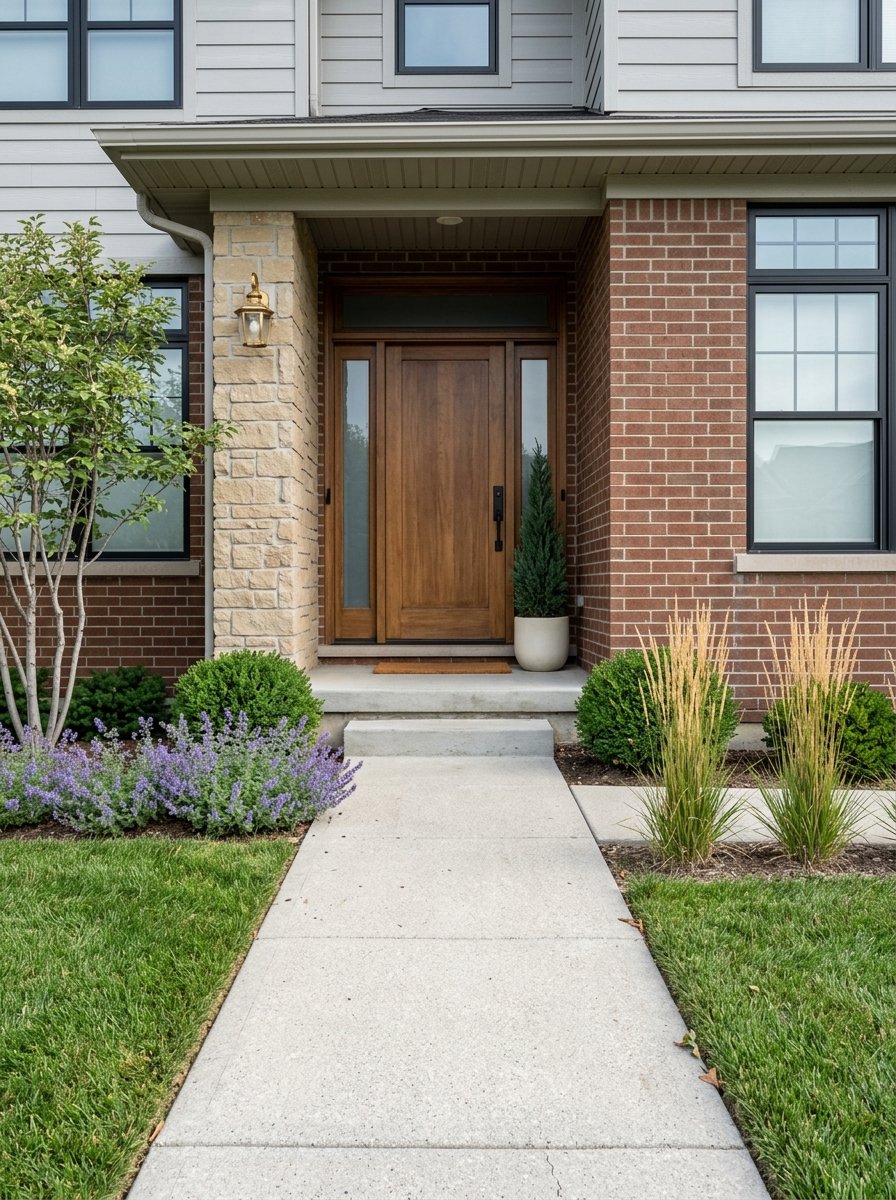
If you price your Greenwood Village home like it belongs in one big citywide bucket, you could miss the mark before your listing even goes live. In a market this small and varied, buyers often compare homes by neighborhood, property type, condition, and even which side of a major street they sit on. The good news is that smart pricing is not guesswork when you use the right local lens. Let’s dive in.
Why Greenwood Village Pricing Is Different
Greenwood Village covers just 8.3 square miles, but it does not behave like one uniform market. The city includes established residential areas, business-focused areas, and several distinct neighborhood settings, which means buyer expectations can change quickly from one pocket to another.
That matters when you set a list price. A home near trails or parks, or on a quieter interior street, may compete differently than a similar-sized home in another part of the city. In Greenwood Village, those details can influence how buyers perceive value.
The city is also split by school district boundaries. According to the city, Cherry Creek School District serves the east side of Holly Street, while Littleton Public Schools serves the west side. That can affect your buyer pool, so it should be part of your pricing strategy.
Start With the Tightest Comp Set
The strongest pricing strategy usually starts small, not broad. Instead of leaning on a citywide average, focus first on the most similar recently closed sales in your immediate competing area.
Fannie Mae guidance says the best comparable sales come from the same market area, ideally the same subdivision or project. It also notes that appraisal analysis should generally include at least three closed comparable sales, with sales from the past 12 months used when possible.
For Greenwood Village sellers, that often means your best comp set looks like this:
- Same neighborhood or subdivision first
- Same property type second
- Same district location if relevant
- Similar condition and finish level
- Similar lot, layout, and overall appeal
If you skip that process and price from a broad city median, you risk chasing the wrong buyers from day one. In a micro-market, precision usually beats optimism.
Use City Data Carefully
Local market reports are helpful, but they need context. Arapahoe County’s assessor materials note that market-trend reports are estimated trends and that individual properties can behave differently than the broader market.
That warning is especially important in Greenwood Village because the sales sample can be small. When only a limited number of homes sell in a month, one or two transactions can shift the numbers more than they would in a larger market.
In the March 2026 Greenwood Village report from Colorado Association of REALTORS® and SMDRA, single-family homes showed:
- 32 active listings
- 10 sold homes
- 49 days on market
- Median sold price of $1,625,299
- Sale-to-list ratio of 101.3%
The same report showed a rolling 12-month median sold price of $1,847,000 and a rolling 12-month list-price-received rate of 98.6%. Those figures are useful market signals, but they are not a shortcut to your exact list price.
Segment by Property Type
One of the most common pricing mistakes is mixing unlike homes together. Greenwood Village includes single-family homes, townhomes, condos, and apartment-heavy areas near the DTC corridor. Those segments do not move the same way.
If you own a condo, your buyer is usually comparing your home to other similar attached properties, not to detached homes on larger lots. If you own a single-family home, your closest competition is almost always other detached homes with similar land, age, and condition.
This is why local reports separate single-family activity from townhouse and condo activity. Your pricing strategy should do the same. The more consistent the comp set, the more believable and defensible your asking price becomes.
Condition Changes the Number
Two homes on the same street can need very different pricing strategies. Fannie Mae’s guidance on property condition and quality makes that clear: comparable homes should be judged on the same absolute basis, and differences in condition matter.
If your home is recently renovated, your pricing may be supported by stronger adjustments. If your home is in original condition or has deferred maintenance, buyers will often factor in the cost and effort of future updates.
This is where realistic pricing protects your bottom line. Overpricing a home that needs work can lead to longer market time, more price reductions, and weaker negotiating leverage later.
Presentation Supports Pricing
Pricing and presentation should work together. If you want buyers to accept your asking price, your home needs to look like it belongs at that number online and in person.
The National Association of REALTORS® 2025 staging report found that 83% of buyers’ agents said staging helps buyers visualize a home as a future residence. The same report found that 17% said staging raises the dollar value offered by 1% to 5%.
The report also showed that photos, physical staging, videos, and virtual tours rank high in importance for listing marketing. For Greenwood Village sellers, that supports a practical strategy: polish the home, present it well, and then price it with confidence.
You do not always need a full remodel to improve your pricing position. The same staging report identified the living room, primary bedroom, and kitchen as the most important rooms to stage, which means targeted preparation can go a long way.
Why Some Homes Sell Fast
When one Greenwood Village home sells quickly and another sits, the reason is not always the market itself. Often, it is the match between pricing, presentation, and the specific buyer pool for that property.
Current local data shows that inventory varies across Greenwood Village submarkets. Realtor.com data shows active inventory ranging from just 4 homes in several smaller enclaves to 21 homes in The Corridor. That spread reinforces the idea that Greenwood Village is made up of multiple micro-markets, not one uniform pricing environment.
A well-prepared home priced against its closest competition may attract strong attention early. A home priced too high for its condition or submarket may lose momentum, even if broader city numbers look healthy.
A Smarter Pricing Process
If you want to price strategically, follow a process that reflects how buyers actually shop. They are not usually comparing every home in Greenwood Village. They are narrowing to the homes that feel most similar to yours.
A smart pricing process often includes:
- Reviewing recent closed sales in your neighborhood or closest competing area
- Separating comps by property type
- Adjusting for condition, updates, location, and timing
- Looking at current active competition
- Matching your list price to how your home shows today
Fannie Mae guidance also notes that comparable sales may need time adjustments depending on contract timing and market conditions. So even in a rising or steady market, not every sale should be treated the same.
What Sellers Should Avoid
In Greenwood Village, pricing mistakes are often subtle. A home may not be wildly overpriced, just slightly out of sync with the most relevant buyer comparisons.
Try to avoid these common traps:
- Using a broad city average as your primary pricing tool
- Comparing your home to a different property type
- Ignoring condition differences between homes
- Pricing based on your target net instead of market support
- Listing before photography, staging, or light prep are ready
These missteps can cost time and leverage. In a market with smaller monthly sales counts, you want your home to enter the market with a price story buyers can quickly understand.
The Best Strategy for Greenwood Village Sellers
The strongest pricing strategy for most Greenwood Village sellers is simple: price to the smallest defensible comp set, then support that number with polished presentation. That means looking first at the same neighborhood, the same property type, the same general location factors, and similar condition.
Broad market reports still have value. They help frame the market and show general direction. But when it is time to choose a list price, your closest competing sales usually matter more than a citywide average.
That local, detail-driven approach fits Greenwood Village well. In a market shaped by micro-locations, varied housing types, and smaller data samples, smart pricing is about discipline, not guesswork.
If you are thinking about selling in Greenwood Village, working with a local agent who understands pricing, preparation, and visual marketing can make the process much smoother. For tailored guidance on pricing, staging, and positioning your home for the market, connect with Debbie Jacobs.
FAQs
How should Greenwood Village sellers choose comparable sales?
- Start with recent closed sales in the same neighborhood or subdivision, then narrow by property type, condition, and similar location factors.
Does school district location affect Greenwood Village home pricing?
- Yes. Greenwood Village includes areas served by Cherry Creek School District and Littleton Public Schools, which can influence buyer demand and how sellers select comps.
Should Greenwood Village sellers use citywide averages to set list price?
- Citywide averages can help frame the market, but they should not replace a property-specific analysis based on the closest competing sales.
Does staging matter when pricing a Greenwood Village home?
- Yes. Staging, strong photos, video, and virtual tours can improve buyer perception and help support a well-positioned asking price.
Why do some Greenwood Village homes take longer to sell?
- Days on market can vary by submarket, property type, condition, and pricing accuracy, so homes that miss the right pricing window may sit longer.