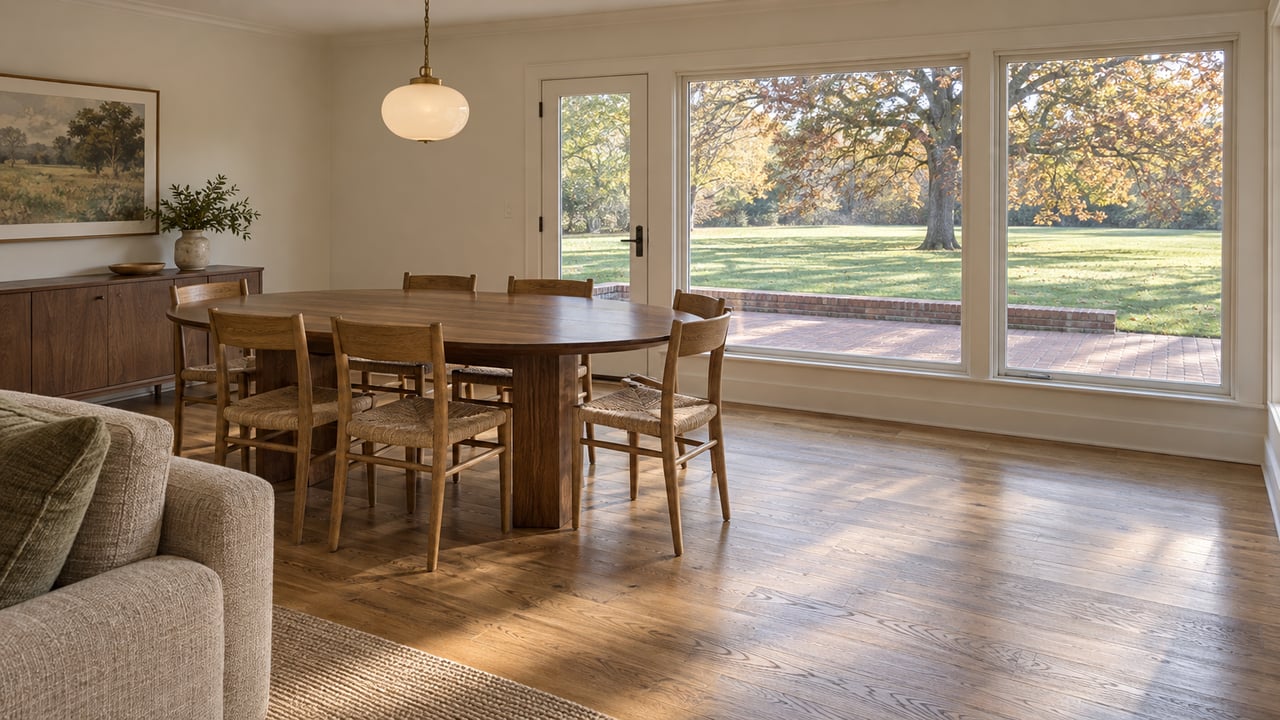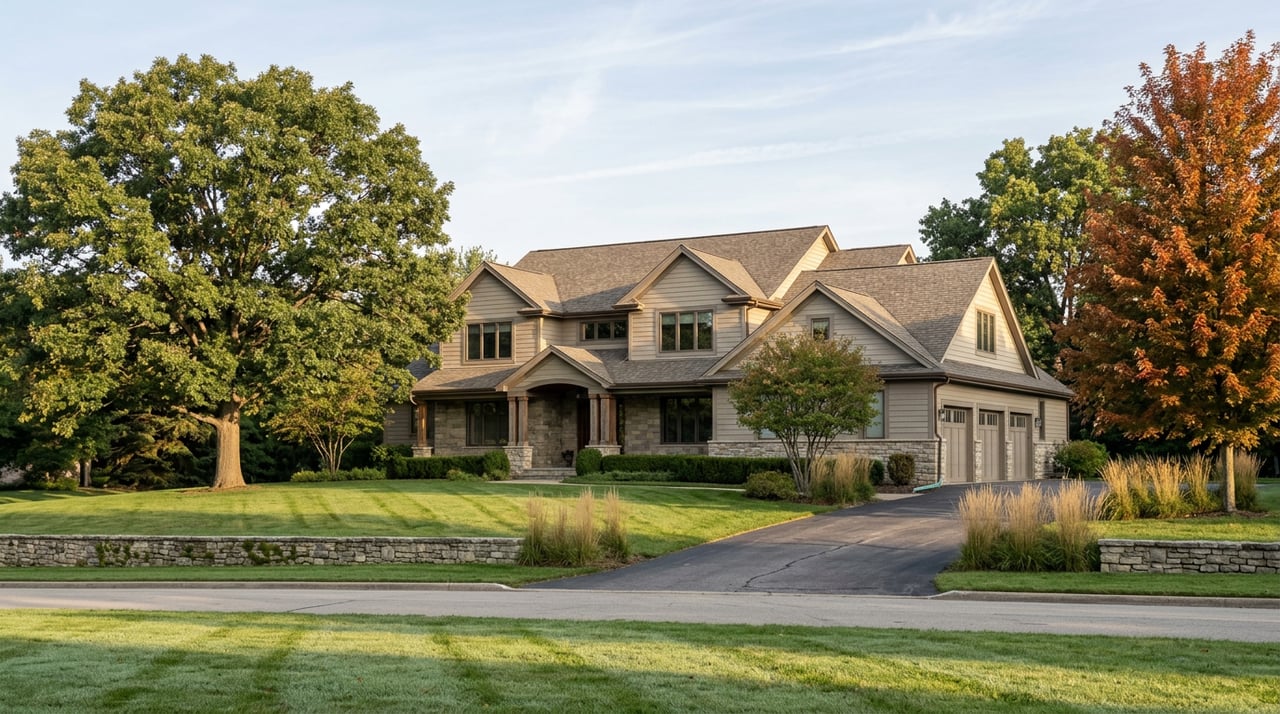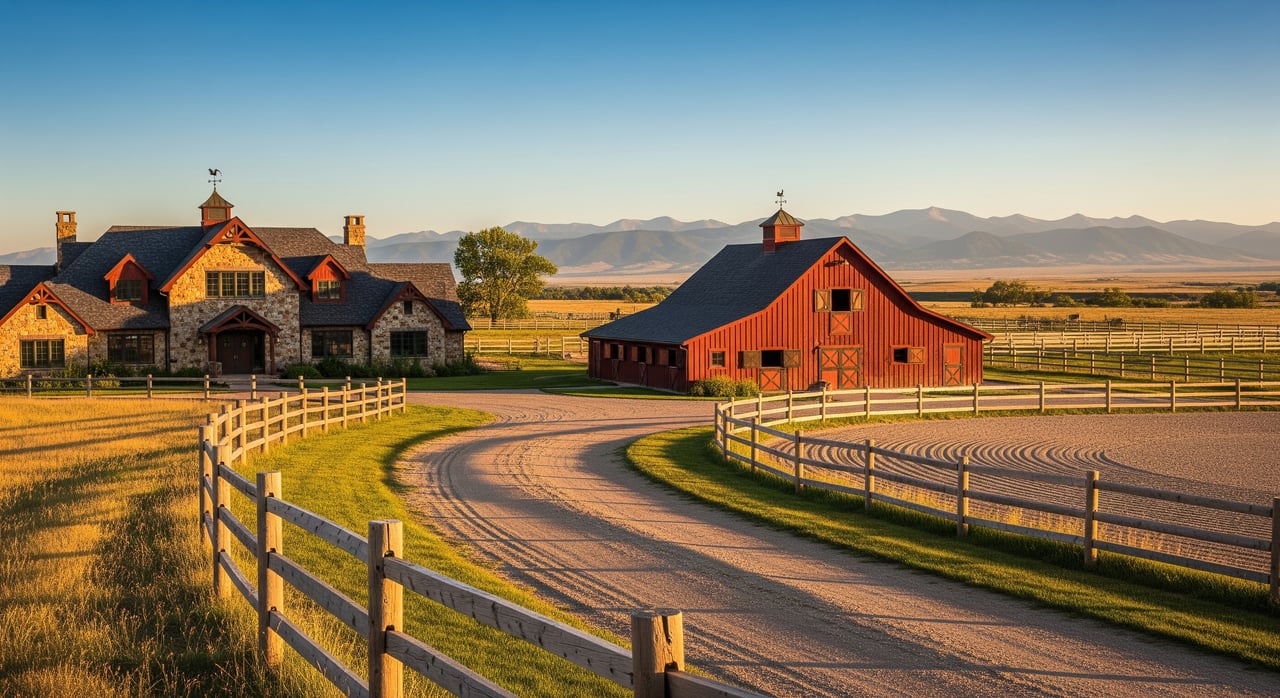
Dreaming of a home where your horses are steps from your back door, yet you can still reach the Denver Tech Center with ease? If Chenango in the Foxfield area is on your radar, you are on the right track. Buying an equestrian property takes a different kind of due diligence, from animal rules to wells, septic systems, and arena siting. This primer walks you through what to verify, who to call, and how to plan so you can buy with confidence. Let’s dive in.
Start with jurisdiction and who governs your lot
Before you fall in love with a barn or a view, confirm who regulates the property. Some Chenango addresses fall within the Town of Foxfield, while others are in unincorporated Arapahoe County. Your jurisdiction determines which zoning code, permits, and services apply.
How to confirm jurisdiction
- Check whether the parcel is inside Foxfield town limits or in unincorporated Arapahoe County.
- Ask the listing agent for the legal description and parcel number so you can verify with local offices.
- Match the parcel to the correct planning and building department before you evaluate horse-related uses.
Key offices you will contact
- Town of Foxfield for municipal code and building permits if the parcel is within town limits.
- Arapahoe County Planning and Zoning and the Building Division for zoning, land use, and permits if outside town limits.
- Arapahoe County Assessor for parcel boundaries, assessments, and recorded easements.
- Arapahoe County Public Health for on-site wastewater system (septic) rules and inspections.
- Colorado Division of Water Resources for well permits and groundwater information.
Do not overlook HOA covenants
Some Chenango properties have covenants that are often stricter than town or county rules. Request the recorded covenants and any HOA rules early. These documents may set the number of horses allowed, fence style and height, setback rules for barns, and whether commercial boarding or training is prohibited.
Zoning and animal rules to verify
Public zoning and private covenants create two layers of authority over horse keeping. You need both in hand. Avoid assumptions based on a neighbor’s setup or a listing remark.
- Allowed uses. Confirm that keeping horses is permitted as an accessory use to a single-family residence. If you want lessons, training, or boarding, ask if that is considered a home occupation or a separate commercial use.
- Animal limits. Some areas use per-acre or animal-unit formulas. Get written confirmation of how many horses are allowed for your parcel size.
- Setbacks and structure size. Ask about minimum setbacks for barns, arenas, and manure storage, plus maximum building size and height limits for accessory structures.
- Temporary vs permanent structures. Learn when a run-in shed or lean-to needs a permit.
- Waste management. Ask about manure storage and disposal requirements, including setbacks from wells, water bodies, and neighboring properties.
- Drainage and erosion. Confirm rules about disturbing natural drainages, grading for arenas, and managing runoff so it does not impact neighbors.
Pro tip: Request a zoning letter or written confirmation from the planning office stating that your intended use and number of horses are permitted on the specific parcel.
Lot and infrastructure essentials
Equestrian buyers often evaluate beautiful homes first and utilities last. Flip that order. Your horses will thank you.
Acreage and layout
Parcels in horse-friendly neighborhoods often range from about 1 to 5 acres, with some larger ranchettes extending beyond that. Verify actual acreage from county records. Study the site’s topography, soil type, tree cover, and any natural drainages. Flat to gently sloped land with good drainage makes barn placement, dry lots, and arena construction easier.
Water and wastewater basics
- Water source. Confirm if the property is on municipal water or a private well. For wells, obtain the well permit, well log, pump details, and a recent yield test. Multiple horses can increase daily water needs.
- Septic system. Ask for county septic records, the tank and drainfield locations, and a licensed inspection. Septic capacity affects where you can site barns, wash stalls, and future additions.
- Separation distances. Many jurisdictions require setbacks between wells, septic components, barns, and manure storage. Understand these distances before you plan improvements.
Power, internet, and road access
- Electrical capacity. Check available service to the barn and house. Dedicated circuits, adequate lighting, and safe wiring are essential. Three-phase power can help with some equipment but is not typical in all residential areas.
- Internet and phone. Confirm broadband options or whether you will rely on fixed wireless or cellular. Remote cameras and smart barn tech depend on signal strength.
- Winter access. Clarify who maintains and plows the roads and your driveway. Plan adequate turnaround space for hay deliveries and horse trailers in winter conditions.
Site performance checks
- Soils and drainage. Poor soils can complicate arena bases, septic function, and slab foundations. Consider a site-specific soils report before major projects.
- Floodplains and drainage easements. Verify whether any part of the parcel sits in a mapped floodplain or protected channel.
- Slope and erosion. Steep areas reduce usable paddock space and can add cost for grading and erosion control.
- Vegetation. Identify noxious weeds or toxic plants and plan for control.
Barns, arenas, fencing, and permits
Well-planned facilities make daily chores safer and faster. They also need to be legal and properly permitted.
What typically requires permits
- Barns and stables. Expect building permits, foundation and framing inspections, and electrical and plumbing permits for utilities.
- Run-in sheds. Some areas permit these as accessory structures, often with size limits. Confirm permit thresholds.
- Riding arenas. Grading and drainage management may require permits. Covered arenas typically trigger building permits.
- Manure storage. Storage locations often have setback rules from property lines, wells, and waterways.
- Hay and chemical storage. Fire safety rules may govern separation distances and access for emergency vehicles.
Smart design and safety choices
- Site layout. Place barns and paddocks where crosswinds and drainage work for you. Keep hay storage separate from manure areas.
- Fencing. Choose horse-safe, highly visible fencing. Perimeter fencing should be durable and meet local animal-control standards. Some covenants regulate height and style.
- Flow and biosecurity. Design aisles, gates, and paddocks for easy movement and quarantine options. Plan trailer-friendly driveways and clear emergency access.
- Utilities. Install dedicated water lines with freeze protection, adequate lighting, and outlets where you groom, tack, and store feed.
Before you build or alter
- Confirm building, electrical, plumbing, and grading permit needs with the correct jurisdiction.
- If adding a bathroom or wash stall, ask about septic expansion or relocation permits.
- For any commercial activity, verify whether a special use permit is required.
- Consult your local fire district on access road width, turnarounds, and water supply for firefighting.
For additional best practices, look to Colorado State University Extension for guidance on horse facilities and manure management, and the USDA Natural Resources Conservation Service for soils, erosion, and runoff planning.
Trails, riding access, and the local equestrian network
One of Chenango’s draws is access to regional riding. In the eastern Denver metro, you will find trail options at regional parks and open spaces, including popular destinations like Cherry Creek State Park and connected greenways. Trailer parking, seasonal rules, and horse allowances vary by park, so verify details before you go.
- Neighborhood connectivity. Some properties or neighboring developments include private or public trail easements. Confirm existence, who maintains them, and any rider rules.
- Trailhead logistics. Check trailer parking capacity and whether day-use passes are required. Ask about seasonal closures or muddy-season restrictions.
- Local network. Map out nearby boarding barns, trainers, farriers, and equine veterinarians. Indoor arenas can be valuable for winter conditioning and training.
Due diligence checklist for Chenango buyers
Use this list to stay organized and reduce surprises:
- Jurisdiction. Confirm Foxfield vs unincorporated Arapahoe County for the parcel.
- Zoning and covenants. Obtain a zoning letter and copies of recorded covenants and HOA rules. Verify the number of horses, fencing rules, and structure limits in writing.
- Title and easements. Review for trail easements, access easements, conservation restrictions, and utility corridors.
- Survey. Order a recent survey showing boundaries, structures, and easements.
- Septic. Pull county records and schedule a licensed inspection with tank capacity and drainfield mapping.
- Well. Retrieve the well permit and log, run a pump test, and check water quality and flow for household and livestock needs.
- Soils and engineering. Commission soils testing if you plan an arena, barn expansion, or significant grading. Complete percolation tests if septic changes are expected.
- Structures. Inspect barns, sheds, and arenas for foundation, roof, electrical, and pest issues. Verify past permits for existing structures.
- Environment. Check floodplain maps, wetlands, and noxious weed listings.
- Access and maintenance. Clarify plowing and road maintenance responsibilities and any HOA fees tied to roads or trails.
- Insurance. Confirm property and equine liability coverage and whether your intended use qualifies under standard policies.
- Operating costs. Estimate hay, feed, bedding, vet and farrier, manure disposal, utilities, and fence maintenance.
Budget and operating costs to plan
Owning an equestrian property changes your monthly and seasonal budget. In addition to your mortgage and taxes, plan for hay and feed, bedding, farrier and vet care, fencing repairs, manure hauling or compost management, utility usage for heated waterers and lighting, and arena maintenance. Ask sellers for recent cost ranges and frequency of deliveries, then build a conservative annual estimate that includes winter contingencies.
How Debbie helps you buy with confidence
You deserve a guide who understands both the lifestyle and the logistics. With a construction-informed eye, practical site-planning insight, and deep knowledge of the south Denver corridor, Debbie helps you:
- Verify jurisdiction, zoning, and covenants early so your intended use fits.
- Coordinate well, septic, and structural inspections that matter for horse keeping.
- Evaluate barn and arena layouts for function, safety, and future improvements.
- Connect with local planners, health departments, and service providers so approvals and move-in plans stay on track.
If Chenango’s mix of acreage and access fits your goals, let’s map your next steps and timelines, then find a property that works on day one and grows with your plans.
Ready to explore Chenango equestrian properties with a trusted local advisor? Connect with Debbie Jacobs to start your search.
FAQs
How do I confirm if a Chenango property is in Foxfield or unincorporated Arapahoe County?
- Ask for the parcel number and legal description, then verify with the Town of Foxfield or Arapahoe County Planning and Zoning so you know which rules and permits apply.
How many horses can I keep on a Chenango lot near Foxfield?
- Limits vary by zoning and covenants, so request a written zoning confirmation and the recorded HOA rules to verify the allowed number for your specific parcel.
Are barns and run-in sheds in Chenango usually permitted already?
- Do not assume; ask for past building permits and finals, then have a licensed inspector evaluate structures for safety and code compliance before closing.
What should I check about wells and septic on an equestrian property?
- Obtain the well permit and log, run a pump and water quality test, and pull county septic records followed by a licensed inspection to confirm capacity and location.
Can I run lessons or boarding from a Chenango property?
- It depends on zoning and covenants; confirm whether your plan is a permitted home occupation or requires a special use permit, and whether HOA rules prohibit commercial activity.
Where can I ride near Chenango if I keep horses at home?
- Look to regional parks, open spaces, and greenways in the eastern Denver metro; verify horse use rules, seasonal closures, and trailer parking at each site before you go.