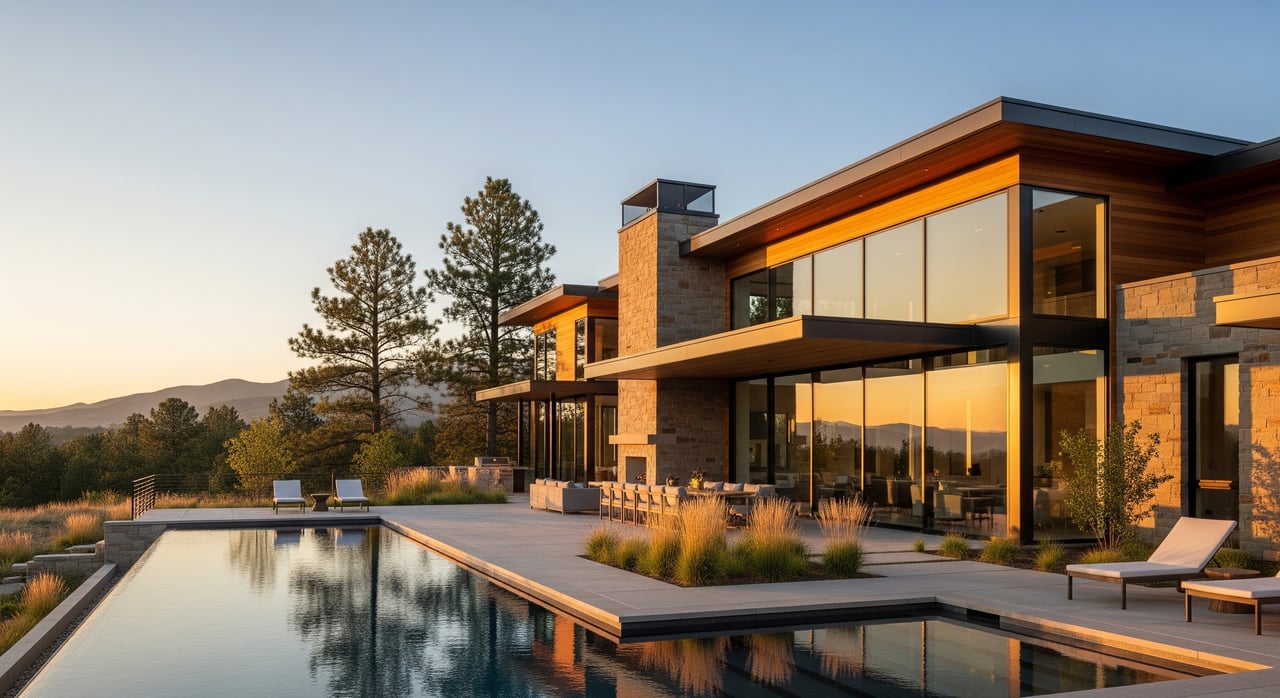
Looking for a neighborhood where large lots, refined design, and an easy connection to the Denver Tech Center come together? Greenwood Village offers that blend, along with mature trees, trail access, and homes that balance privacy with convenience. If you are exploring luxury homes here, you want a clear picture of the architecture, features, and day-to-day rhythm that shape life in this part of the metro. This guide walks you through what to expect so you can narrow your search with confidence. Let’s dive in.
Greenwood Village at a glance
Greenwood Village sits just south and east of Denver in Arapahoe County, adjacent to the Denver Tech Center. That location puts you close to corporate campuses, downtown Denver, and regional retail. The city pairs an established residential feel with a strong corporate presence, plus a municipal focus on parks, trails, and open space.
Luxury homes here typically start around the seven-figure mark, with many properties reaching well into the multi-million range depending on the market cycle. Inventory includes both long-time residences on mature lots and newer or rebuilt homes with modern design and indoor–outdoor flow. Proximity to the DTC, quality-of-life amenities, and access to public schools in the Cherry Creek School District are common draws for buyers.
Signature luxury styles
Ranch and expanded ranch
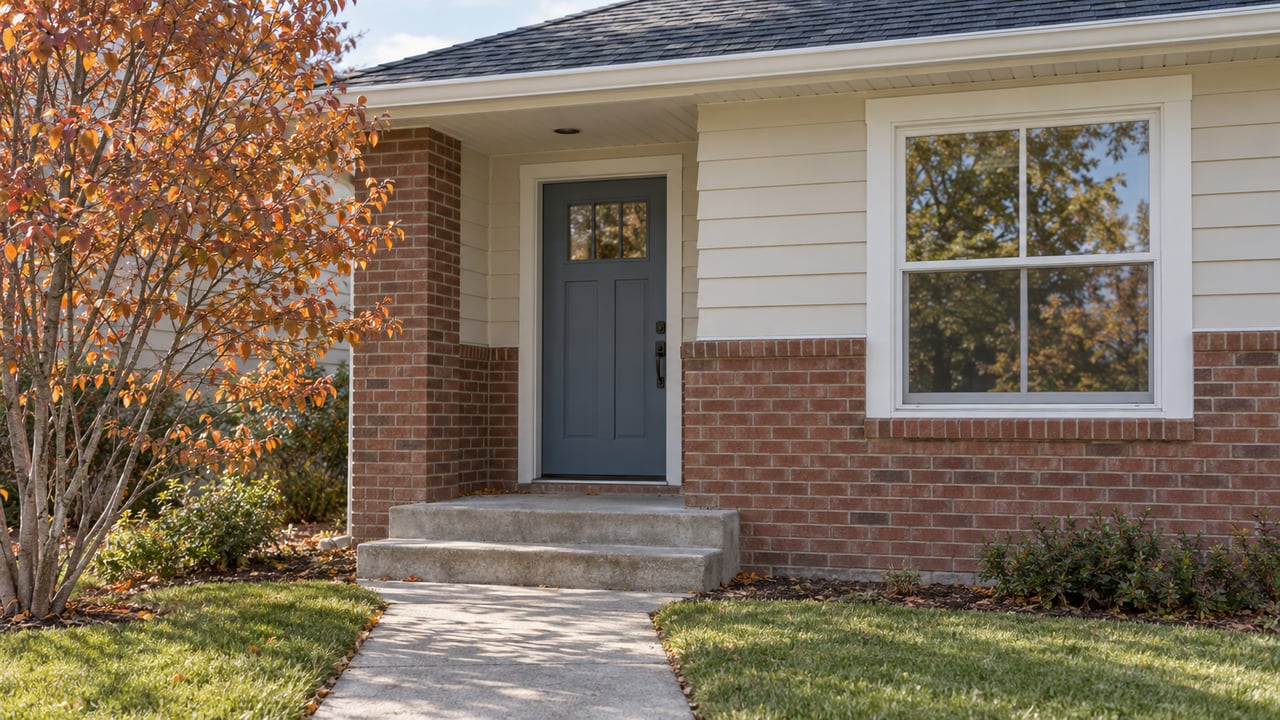
You will find many single-story and one-and-a-half-story ranch homes in older parts of Greenwood Village. Some hold their original mid-century lines with updated interiors, while others have been expanded to add square footage and more open layouts. On larger lots, ranch homes often emphasize outdoor access from the main level.
Traditional and neo-traditional
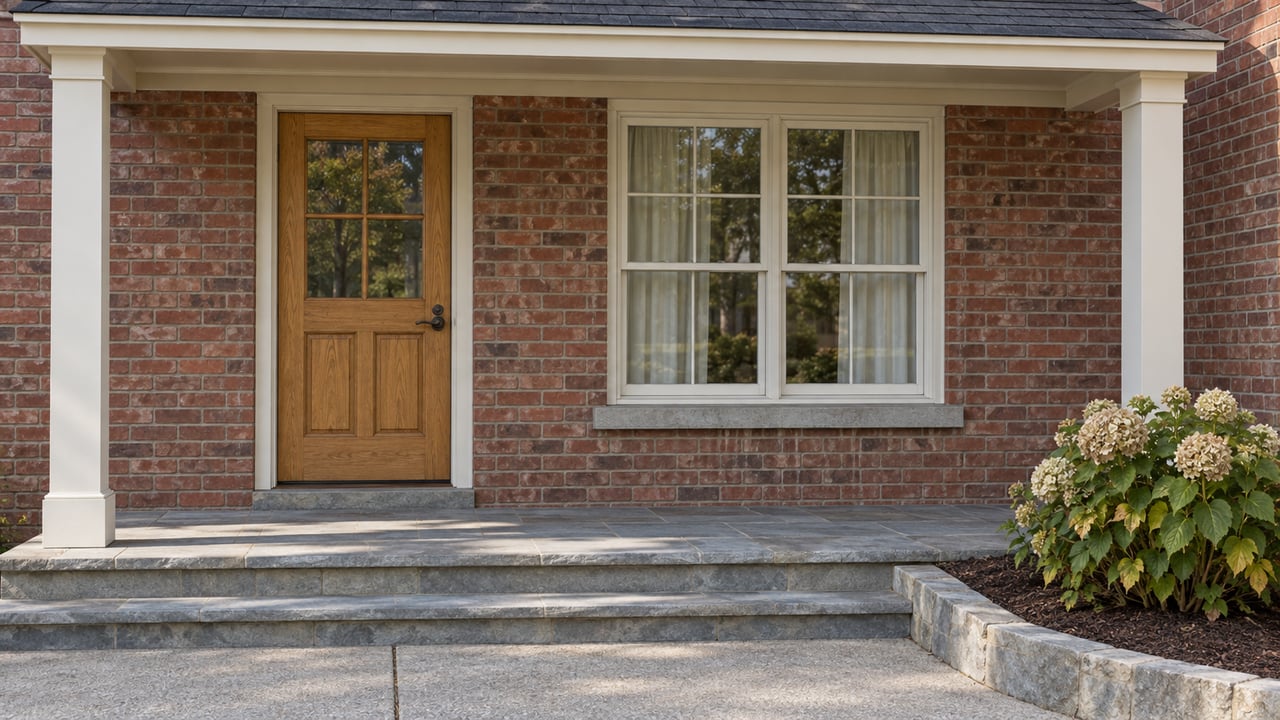
Brick or stucco exteriors, symmetrical façades, and formal entries are common in traditional and neo-traditional homes. These properties often include defined dining and living spaces alongside modern family rooms. Updates typically add larger windows, higher ceilings, and refreshed kitchens while preserving classic curb appeal.
Contemporary and mountain-modern
Newer builds and high-end renovations lean contemporary, with clean lines, large expanses of glass, and low-pitch or flat roofs. Natural materials like wood and stone connect interiors to the landscape. Many designs are oriented to capture foothill and sunset views where the site allows.
Transitional and European-inspired
Some estates draw on Mediterranean or broader European influences with stucco, tile roofs, and arched windows. Inside, plans are often transitional, blending classic finishes with modern layouts. Expect generous great rooms and seamless access to patios, courtyards, and pools.
Mid-century modern updates
In select pockets, original mid-century architecture still appears, now paired with significant interior upgrades. Think widened openings, refreshed kitchens and baths, and reworked lower levels that function as full-time living spaces.
Interior features that matter
Luxury homes in Greenwood Village often prioritize comfort, flexibility, and entertaining. Common features include:
- Open-concept main floors with large great rooms and flexible dining zones.
- High-end kitchens with big islands, professional-grade appliances, and walk-in pantries.
- Spacious owner’s suites with large bathrooms and walk-in closets, sometimes with a private sitting area.
- Finished basements that add media rooms, gyms, guest suites, or wine storage.
- Smart-home systems for climate control, lighting, and security. Higher-end homes may include radiant floor heat.
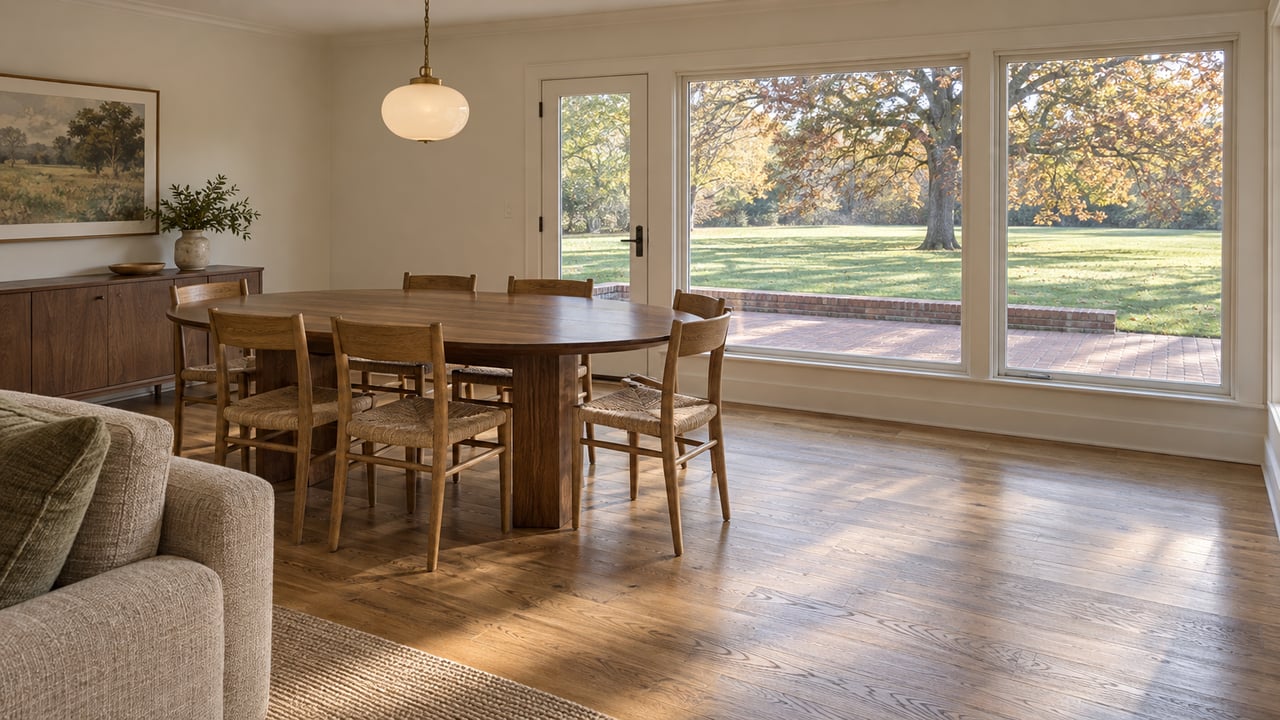
- High ceilings and expansive windows positioned for daylight and view corridors.
- Energy-efficient upgrades, such as high-performance windows, insulation, and modern HVAC systems.
- Dedicated office or flex rooms that support hybrid work.
When you tour, pay attention to circulation, sightlines, and how rooms connect to outdoor spaces. In this market, the way a home lives day to day matters as much as finishes.
Lots, privacy, and outdoor living
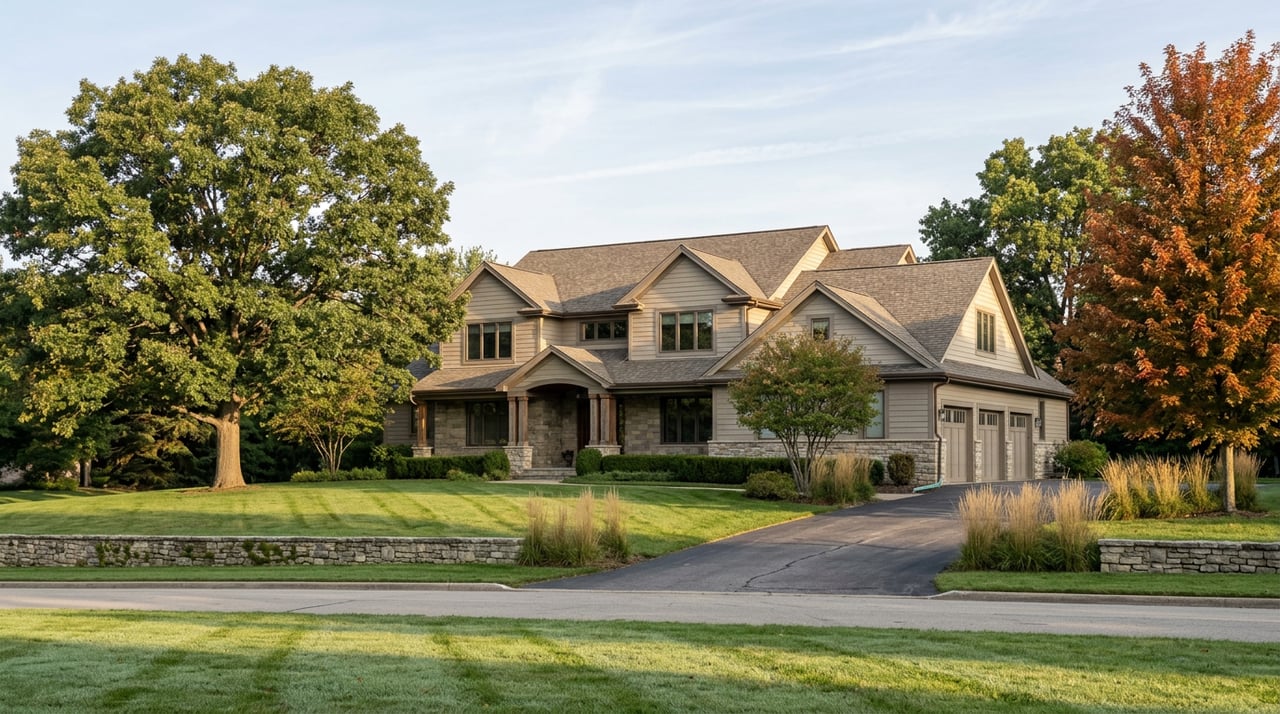
One of the biggest differentiators in Greenwood Village is land. Luxury properties often sit on larger parcels than typical suburban lots. In many neighborhoods you will see quarter-acre sites, and on the upper end, properties extend well beyond an acre. Mature trees and established landscaping are common in older subdivisions, while newer estates may feature structured landscape design with integrated lighting and irrigation.
Lot orientation matters. West and northwest-facing sites may capture foothill and mountain views. South exposure can add winter sun and extend the usability of patios and decks. Many owners invest in covered outdoor spaces, heaters, and fireplaces to create a three-season living room outside.
Outdoor amenities you will often see include:
- Pools and hot tubs, especially on larger properties.
- Built-in outdoor kitchens, bars, and grilling stations.
- Terraces, fire pits, and pergolas for year-round gatherings.
- Garages for two to four vehicles, plus storage or workshop space.
- Long driveways that accommodate guests and daily parking.
- Privacy features like hedges, mature tree buffers, fencing, or gated entries on estate sites.
Daily life and connectivity
For many residents, the Denver Tech Center is the primary employment node, with downtown Denver also within reach. Most people drive for daily errands and commuting, though regional light rail and bus services operate in parts of the area. Availability varies by neighborhood, so it helps to check specific routes and stations during your search.
Shopping and dining options span Greenwood Village and nearby Lone Tree and Cherry Hills Village. You will find everything from local grocery stores to larger retail centers. Recreation is a local priority, with access to multi-use trails, nearby golf, and regional open spaces. Many residents use the trail network for biking and running, and head to parks for weekend downtime.
Renovation and new-build notes
If you are considering a renovation or a full rebuild, it is important to understand how local rules and neighborhood covenants apply to your property. Some areas have homeowners associations or design review requirements. City planning and building departments oversee setbacks, heights, tree and landscape considerations, and permit processes.
On larger lots, teardown and replacement have been common where older houses no longer fit current preferences. Before you plan a big project, review municipal guidelines and any HOA covenants, then scope feasibility with your architect and builder.
How to evaluate a property
Use this quick framework as you compare homes:
- Site and orientation: Assess sun exposure, views, privacy, and how outdoor living areas are positioned for seasonal use.
- Indoor–outdoor flow: Look for large openings to patios, covered spaces, and a layout that supports entertaining.
- Kitchen and storage: Confirm island size, pantry capacity, and appliance specs match how you cook and host.
- Owner’s suite comfort: Evaluate bathroom layout, closet design, and any private retreat or study space.
- Lower level value: Finished basements are common. Consider ceiling height, natural light, and whether spaces fit your needs.
- Work-from-home: Identify quiet rooms with good light and connectivity for office use.
- Systems and efficiency: Ask about windows, insulation, HVAC age, and smart-home features.
- Parking and access: Check garage bay count, driveway capacity, and guest access.
- Rules and permits: Review HOA covenants and city requirements before planning changes.
- Schools and boundaries: Verify school assignments directly with the district if schools are part of your decision.
Selling a luxury home here
If you plan to sell in Greenwood Village, focus on presentation and livability. Buyers respond to bright, connected living spaces, refreshed kitchens and baths, and polished outdoor areas that feel like an extension of the home. Pre-list improvements, staging, and professional media can elevate buyer appeal and shorten time to contract.
A construction-aware strategy can also help. Understanding which upgrades deliver the strongest return, how to navigate design guidelines, and how to highlight indoor–outdoor living often sets successful listings apart. If you want guidance on what to improve and what to leave as is, a local advisor can tailor a plan to your timeline and budget.
Ready to explore Greenwood Village or position your property for top results? Connect with Debbie Jacobs for local guidance, preparation strategies, and a streamlined plan that fits your goals.
FAQs
What defines a luxury home in Greenwood Village?
- In the Denver suburbs, luxury generally begins around seven figures, with Greenwood Village including multi-million-dollar estates; exact thresholds vary with market cycles.
Which Greenwood Village areas tend to have larger lots?
- Estate-size lots appear across multiple neighborhoods; parcel size and zoning vary, so review property records and maps during your search to confirm dimensions.
How important are mountain views and lot orientation in Greenwood Village?
- View corridors add value, and orientation affects daylight and patio comfort; west and northwest exposures may capture foothill or sunset views when the site allows.
What should I know about public schools when buying in Greenwood Village?
- Many homes fall within the Cherry Creek School District; verify exact school assignments and boundaries directly with the district before you decide.
Is public transit practical for commuting from Greenwood Village?
- Some neighborhoods are near regional light rail and bus routes, but most residents drive for daily trips; check specific station and route access for each home you tour.
Can I tear down and rebuild a home in Greenwood Village?
- It is possible on certain lots, but feasibility depends on municipal rules, permits, and any HOA design review; confirm requirements before you plan a project.