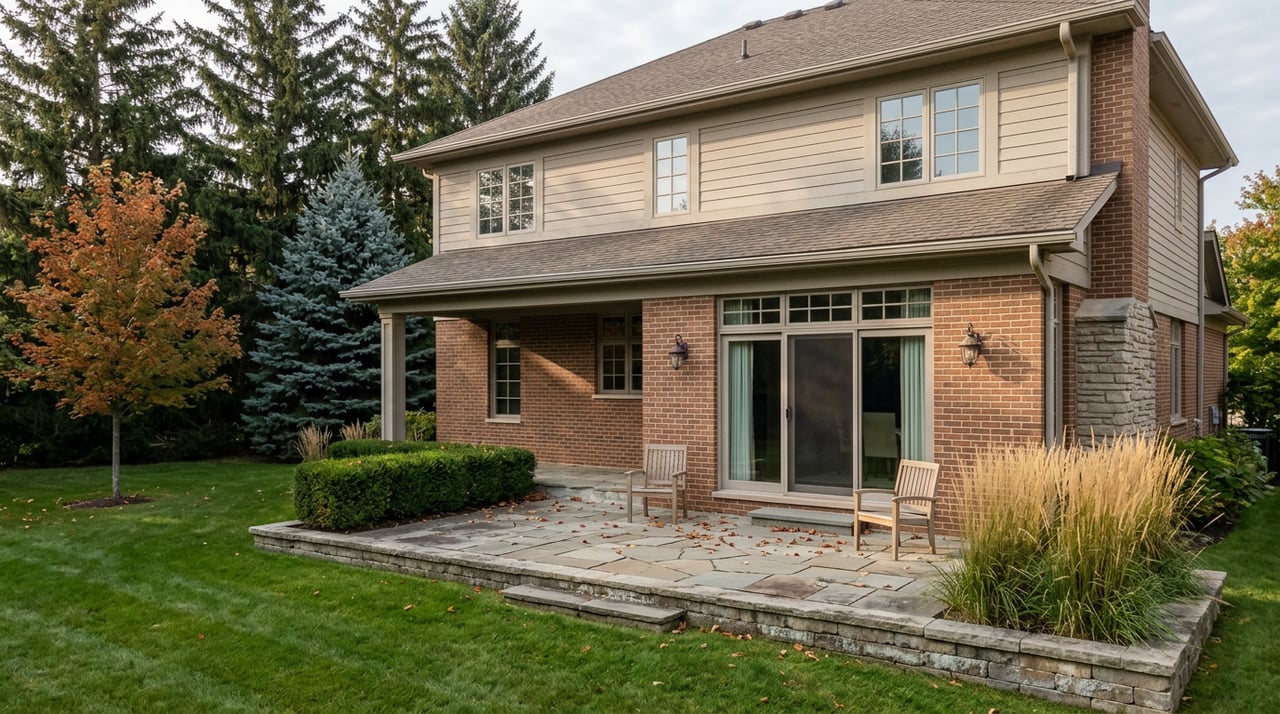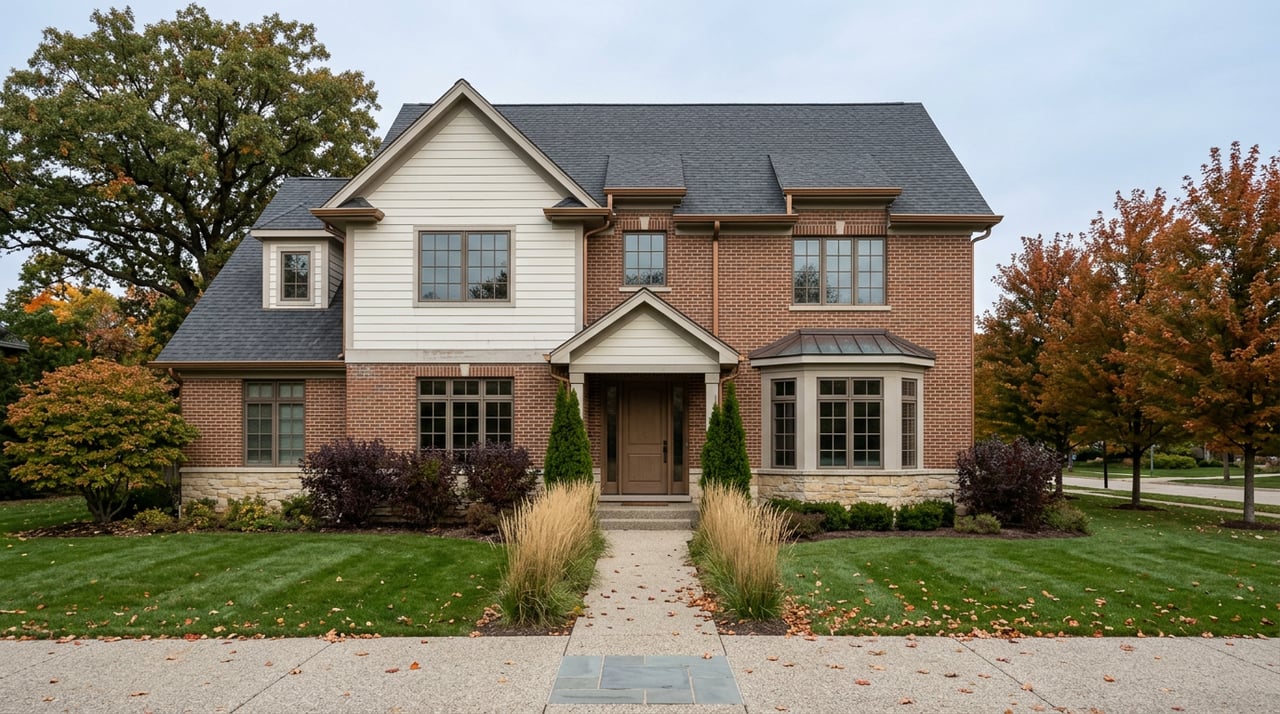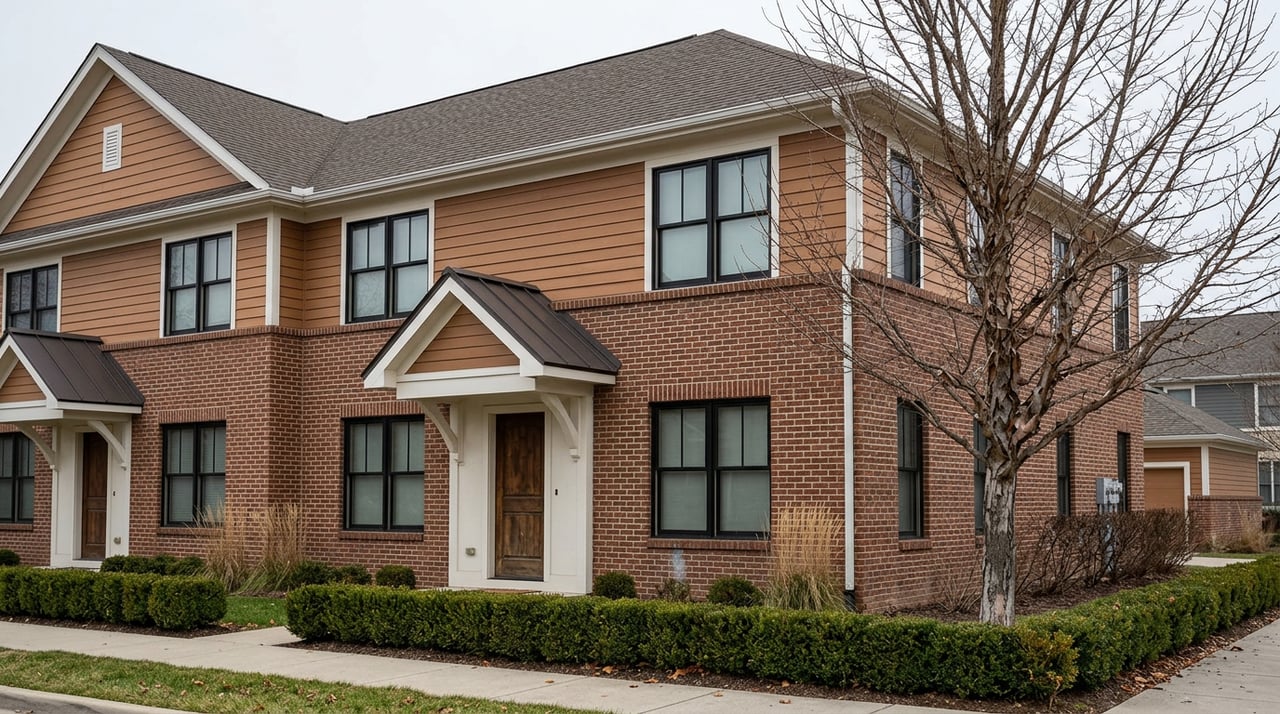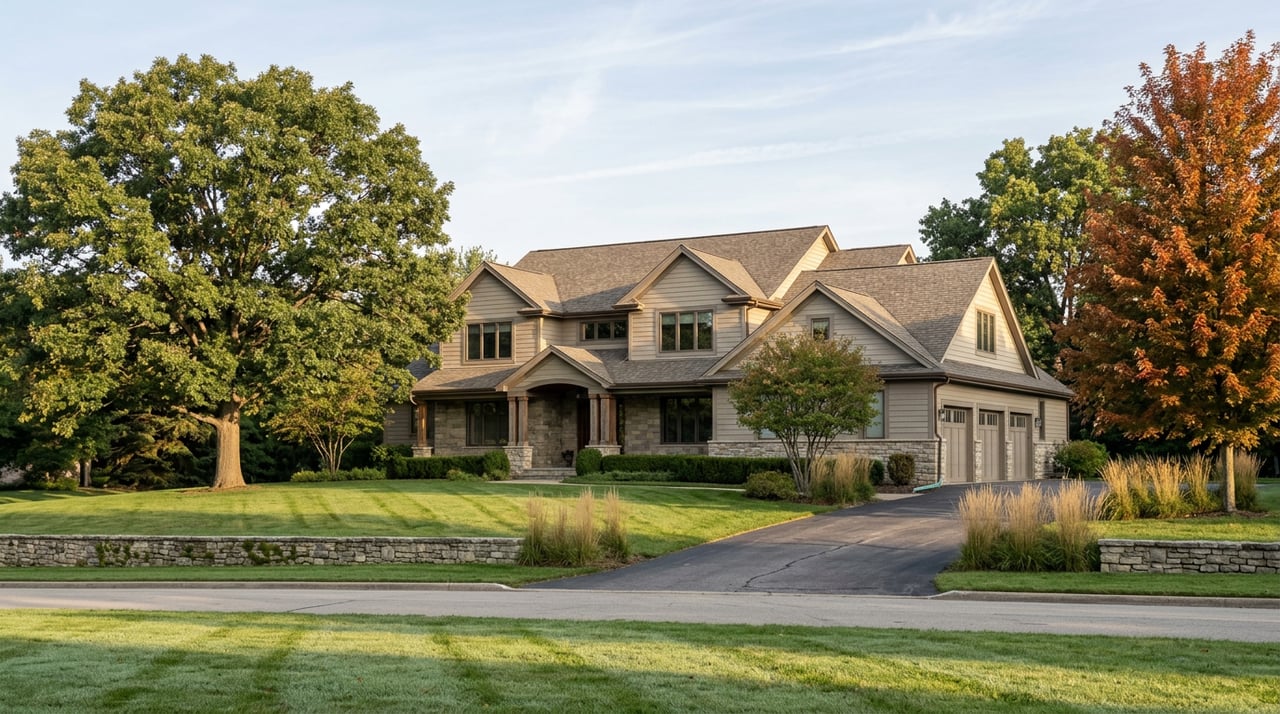
Walk a two-acre lot in Chenango and it is easy to assume you are looking at a private well and a septic field somewhere past the barn. The bridle paths, the riding ring with pole jumps and barrels, the mature windbreaks between properties all read as rural infrastructure. Most acreage neighborhoods around Denver work exactly that way. Chenango does not. Every home in the neighborhood draws water and flushes waste through the Arapahoe County Water and Wastewater Authority, the same municipal system serving denser subdivisions across Centennial. That single fact flips the due diligence list a lot of buyers bring to closing, and it points toward the one inspection item that actually deserves attention here: the sewer lateral running from the house to the street.
The Acreage Is Real. The Assumption About What's Under It Isn't.
Chenango earns its horse-country reputation honestly. According to the neighborhood's own homeowners association, the community holds 234 homes on lots that run close to two acres each, built specifically as an equestrian neighborhood with riding and walking trails woven through the property lines. The HOA maintains a community riding ring, tennis and basketball courts, and a playground, and the association is managed through Specialized Property Management. Most of the custom ranch, multi-level, and two-story homes here went up between 1979 and 2005, typically in the 4,000 to 7,000 square foot range with three- and four-car garages. None of that is staged for a listing photo. It is a genuine equestrian subdivision inside city limits, in the 80016 zip code, in Arapahoe County.
That combination, generous lots plus horse infrastructure, is exactly what trains buyers to expect a well and a septic system. Arapahoe County Public Health's own guidance leans that direction too: local zoning typically recommends a minimum of one acre for homes on central water and 2.5 acres for homes on a private well. A two-acre horse property sits right in the range where either setup would make sense on paper.
Chenango Sits on the Municipal Side of That Line
It doesn't work that way here. The Arapahoe County Water and Wastewater Authority provides both drinking water and sewer service to the Centennial area that includes Chenango, drawing supply from a mix of groundwater sources including the Cherry Creek Alluvial Aquifer and the Denver Basin formations, along with regional partnerships through the Joint Water Purification Plant and neighboring water districts. That means two things for anyone buying or selling here.
First, there is no well permit to research, no flow test to schedule, and no water rights history to untangle. Second, there is no septic Use Permit to obtain before closing and no tank to pump ahead of a sale. Arapahoe County's septic transfer rules, which require an inspection and a use permit before a property with an onsite wastewater system changes hands, simply don't apply to a Chenango address. The infrastructure conversation here is a city utility conversation, not a rural one.
Here's the contrast in plain terms:
| What buyers often prepare for on 2-acre lots | What actually applies in Chenango |
|---|---|
| Septic Use Permit and system pump-out | Not applicable, homes run on municipal sewer |
| Well flow and potability testing | Not applicable, water comes from ACWWA |
| Budgeting for well or septic repair | Budgeting for a sewer lateral scope instead |
| Assuming acreage implies private utilities | Acreage here reflects equestrian zoning, not water infrastructure |
What Actually Surfaces at Inspection: The Lateral
If well and septic aren't the risk, something else is, and it's specific to the ground Chenango sits on. A sewer lateral is the private pipe that runs from the house to the city's main line under the street, and in Arapahoe County that pipe travels through expansive clay soil known for shifting with moisture changes. Local underground utility contractor Odin Services, which works across Centennial neighborhoods including Chenango, Willow Creek, and Piney Creek, points to that clay as the reason pipe joints come under stress over time and older laterals develop what plumbers call a belly, a low spot in the line where the pipe has settled and waste starts to pool instead of draining cleanly.
Age matters here. With most Chenango homes built between 1979 and 2005, a good share of the neighborhood's original sewer laterals are now somewhere between two and four and a half decades old, sitting in soil that has had that entire span to work on the pipe joints. That is precisely the profile Odin Services flags when it lists Chenango among the neighborhoods where pre-purchase sewer inspections have turned up lateral damage.
A quick way to think about what belongs on a Chenango inspection checklist:
- A camera scope of the sewer lateral from the house to the main, not just a visual check of interior plumbing
- A look at the age and material of the original line if that information is available through the seller or prior repair records
- Documentation of any past root intrusion, backups, or slow drains, since those are early signs of a developing belly
- A repair estimate before finalizing an offer if the scope reveals a problem, since fixes range from targeted pipe relining to full excavation depending on how much of the line is affected
What This Means at the Negotiating Table
For buyers, the practical move is straightforward: request a sewer lateral scope as part of the inspection contingency, the same way you would request a well flow test in a truly rural setting. It is a smaller, cheaper step than most rural infrastructure checks, but skipping it because the home doesn't have a septic tank is exactly the assumption that leaves people surprised after closing.
For sellers, particularly those in one of the older sections of the neighborhood, getting ahead of the scope before listing is worth the modest cost. A clean report becomes a selling point you can hand to a buyer's agent on day one. A problem found early is a repair you control on your own timeline, rather than a renegotiation that happens during someone else's inspection period.
The Rest of the Neighborhood Still Delivers on the Horse-Country Promise
None of this changes what makes Chenango worth considering in the first place. The riding trails and community ring are real amenities, not marketing language. Homes here fall within the Cherry Creek School District, with Creekside Elementary, Liberty Middle, and Grandview High School serving the area. Cherry Creek State Park and the High Line Canal Trail are both close by for anyone who wants trail access beyond the neighborhood's own paths, and Saddle Rock Golf Club sits right next to the community for residents who split time between the saddle and the fairway. The lifestyle case for Chenango holds up. The utility case just runs through a city pipe instead of a well casing, and that's worth knowing before you write an offer or price a listing.
FAQ
Does any part of Chenango use well water or a septic system? No. The neighborhood is served by the Arapahoe County Water and Wastewater Authority for both water and sewer, so private well and septic due diligence doesn't apply here.
If there's no septic system, why would I need a sewer inspection at all? Because the home still connects to the city sewer main through a private lateral pipe, and that pipe runs through clay soil that local contractors have flagged for causing joint stress and belly formation in older lines, including in Chenango specifically.
Is a sewer scope the same thing as a septic Use Permit inspection? No. A septic Use Permit inspection, which Arapahoe County requires before selling a property on a private system, doesn't apply to Chenango. A sewer lateral scope is a separate, optional inspection step that checks the condition of the pipe connecting the house to the municipal line, and it's the one worth requesting here.
Does lot size in Chenango affect water rights the way it might in a well-based neighborhood? No. The acreage in Chenango is tied to the equestrian character of the community and its HOA-maintained trails and riding ring, not to well permitting minimums, since the neighborhood isn't on a private water system.
If you're weighing a purchase or a sale in Chenango and want a straight read on what an inspection should actually cover here, Debbie Jacobs — Selling Denver can walk you through it. Book an appointment and get a plan built around this specific neighborhood, not a generic acreage checklist.