Buying a Lowry townhome should feel exciting, not stressful. Yet HOA fees, rules, and layered associations can be confusing if you have not seen them before. You want clarity on what you will pay, what the HOA actually covers, and how to avoid surprise assessments after closing. This guide breaks it all down so you can buy with confidence in Lowry. Let’s dive in.
Why Lowry HOAs are different
Lowry often uses layered governance. Many townhomes belong to a neighborhood or building-level sub-association and also to a larger master association that manages parks, streetscapes, and shared infrastructure. You should confirm if your townhome belongs to one or two associations since both can charge dues and levy assessments.
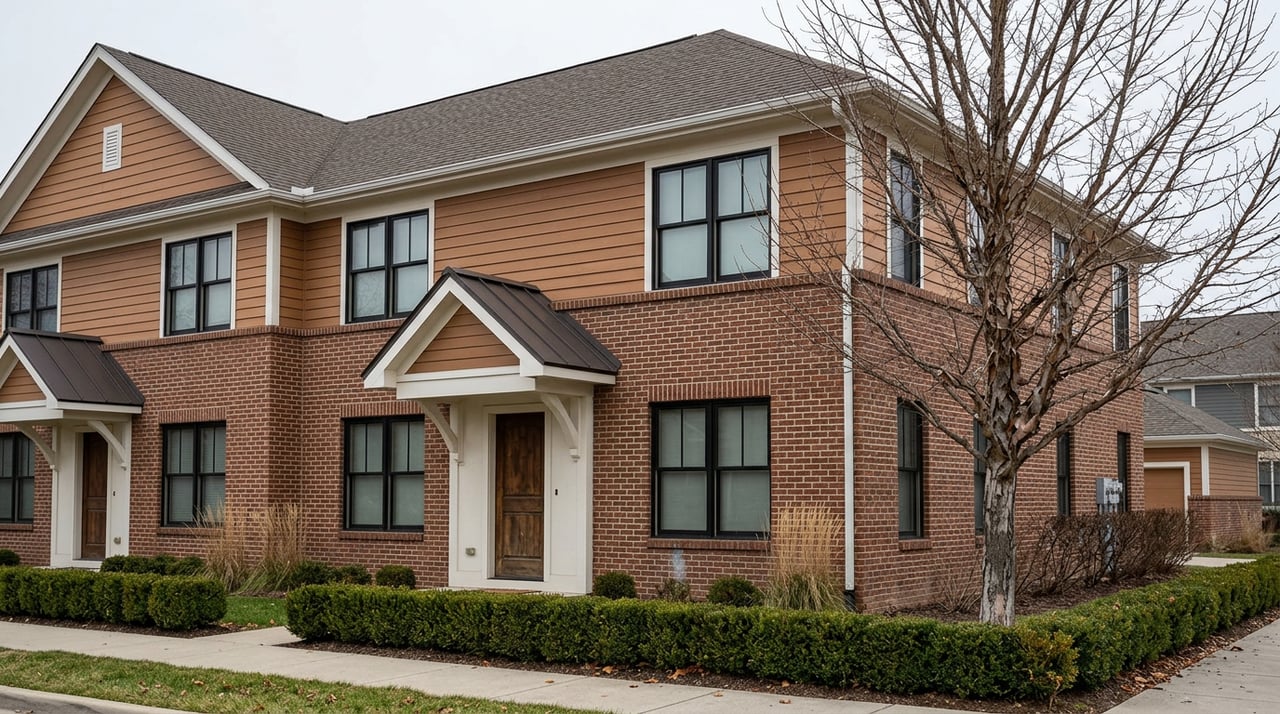
Ownership type also matters. Some Lowry townhomes are organized as condominium units, while others are planned unit developments (PUDs) with townhome-style lots. Lenders and insurance providers treat these differently. That means your financing steps, insurance coverage, and maintenance responsibilities can change based on the project type.
What your fees usually cover
HOA coverage varies by community. Always check the declaration and resale certificate for the exact scope.
Common inclusions
- Exterior common-area care: roofs, siding, fences, exterior paint, and sometimes the building envelope
- Grounds and amenities: landscaping, irrigation, sidewalks, private streets, parks, lighting, and playgrounds
- Snow removal and trash or recycling for common areas
- Shared utilities for common elements: irrigation water or lighting for common areas
- Insurance carried by the association: master policy for common elements and general liability, plus D&O and fidelity coverage
- Management and administration: professional management, legal and accounting, meeting costs, and reserves funding
- Amenities operations if present: pool, clubhouse, gym, or security
Common exclusions
- Interior repairs, personal property, and utilities inside your unit
- Your individual insurance policy (often an HO-6) for interior finishes and personal belongings
- Some exterior items that may be designated as owner responsibility, such as driveways, patios, or balconies
What drives dues higher
- On-site amenities like a pool, gym, or clubhouse
- Private roads or gated entries the HOA maintains
- Extensive master-association responsibilities across the district
- Aging buildings and known capital projects
- Professional management instead of self-management
Reserves and special assessments
A reserve study estimates the useful life and replacement cost of major components such as roofs, pavement, and exterior paint. It also recommends how much the HOA should contribute each year to avoid funding gaps.
Healthy signs include an up-to-date reserve study, a reserve balance that aligns with recommendations, and a clear capital plan. Red flags include no reserve study, a reserve balance far below target, repeated special assessments, and meeting minutes showing deferred maintenance.
Special assessments may be used for major repairs, emergencies, or litigation costs. Governing documents spell out how assessments are approved, including when member votes are required. If a special assessment is pending or likely, it can affect your monthly budget and your ability to qualify for a mortgage.
Colorado disclosures you should see
Colorado rules require that sellers and HOAs provide key documents during a sale. During your contract period, you should receive a resale certificate or estoppel letter with current dues and any outstanding amounts. HOAs can charge fees to produce these documents, and timelines apply, so get started early.
Here are the documents to request and review:
- Declaration or CC&Rs, bylaws, articles, and rules and regulations
- Current budget and recent financial statements
- Reserve study and current reserve balance
- Minutes from board and owner meetings for the past 12 to 24 months
- Insurance summary for the master policy and deductible amounts
- Management contract and vendor agreements for major services
- Resale certificate or estoppel letter showing assessments and any past-due amounts
- Any notices about pending or threatened litigation, capital projects, or assessments
Financing and insurance checkpoints
Condominium projects can require lender project approval for certain loan products, including FHA and VA. PUD townhomes are often treated differently. Confirm the project type and lender requirements early, especially in Lowry where ownership types vary.
High delinquency rates in an HOA can make underwriting harder for lenders. Active litigation can affect both financing and insurability. Review the master insurance policy closely. Note what is covered, what the building responsibility is, and the current deductible. You will likely need your own HO-6 policy for interior coverage and to address master policy deductibles.
Real resale factors in Lowry
Layered fees are common in Lowry. Confirm both the sub-association dues and any master association dues. Understand what each fee covers to avoid double counting or gaps in coverage.
Rules can influence demand and future resale. Review rental caps or waiting lists, pet policies, parking rules, and exterior modification guidelines. Ask for owner-occupancy rates and rental percentages. Also check for upcoming master-planned upgrades that could change future assessments or maintenance standards.
Your Lowry HOA review checklist
Use this step-by-step plan to reduce surprises.
Before you write an offer
- Confirm whether the property belongs to a master association and a sub-association
- Ask for all current monthly dues and any known or pending assessments for both associations
- Request the resale certificate or estoppel as early as possible
- Verify whether the project is a condominium or a PUD and check lender requirements
Priority documents to review
- Resale certificate or estoppel letter with current dues and any seller delinquencies
- Declaration or CC&Rs to see responsibilities, assessment authority, and voting rules
- Current budget and last two to three years of financial statements
- Reserve study and the current reserve balance
- Meeting minutes for the past 12 to 24 months
- Insurance certificates, including master policy declarations and deductibles
- Rules, regulations, and architectural guidelines
- Disclosure of pending or threatened litigation
- Management contract and major vendor agreements
- History of special assessments and board resolutions
How to spot issues fast
- Compare reserve study targets to the actual reserve balance and budgeted contributions
- Scan budgets and minutes for “special assessment” or “capital project” line items
- Look for mismatches between rules and practice, such as parking or exterior maintenance
- Check insurance for coverage gaps and high deductibles that may shift cost to owners
- Read minutes for signs of deferred maintenance, vendor disputes, or cash-flow stress
- Note the voting thresholds for assessments and amendments
Red flags worth a pause
- No recent reserve study or reserves near zero
- Repeated or large special assessments in a short time
- High owner delinquencies or frequent collection actions
- Ongoing or significant litigation involving the association
- Multiple management turnovers or sudden board resignations
- Lender pushback on project approval or underwriting
How I help you buy with confidence
You deserve a clear, low-stress path to a great Lowry townhome. I help you identify layered fees early, coordinate key documents, and spot risk areas in budgets, minutes, and insurance summaries. My approach blends hands-on guidance with practical insight, so you can focus on fit and value while we keep your risk profile front and center.
If you are planning a Lowry purchase, let’s talk through your wishlist, budget, and HOA questions. Reach out to Debbie Jacobs for a focused strategy and a smooth, well-managed experience.
FAQs
What does a Lowry HOA usually cover?
- Most cover exterior common areas, landscaping, snow removal, master insurance, and management costs. Exact coverage varies, so verify with the declaration and resale certificate.
Why are there two HOA fees in Lowry?
- Many townhomes belong to a sub-association and a master association. Each can charge dues and assessments for different responsibilities and amenities.
How can I tell if reserves are healthy?
- Look for an up-to-date reserve study, reserve balances that meet recommendations, a clear capital plan, and few or no recent special assessments.
Do HOA rules affect resale value?
- Yes. Rental caps, pet rules, parking, and exterior guidelines can influence buyer demand and financing, which can impact resale.
What documents should I review before closing?
- Prioritize the resale certificate, CC&Rs, budget and financials, reserve study, meeting minutes, insurance summaries, rules, and any litigation disclosures.
How do condo vs. PUD classifications affect financing?
- Condo projects may require lender project approval for certain loans. PUDs are often treated differently. Confirm the project type with your lender early.