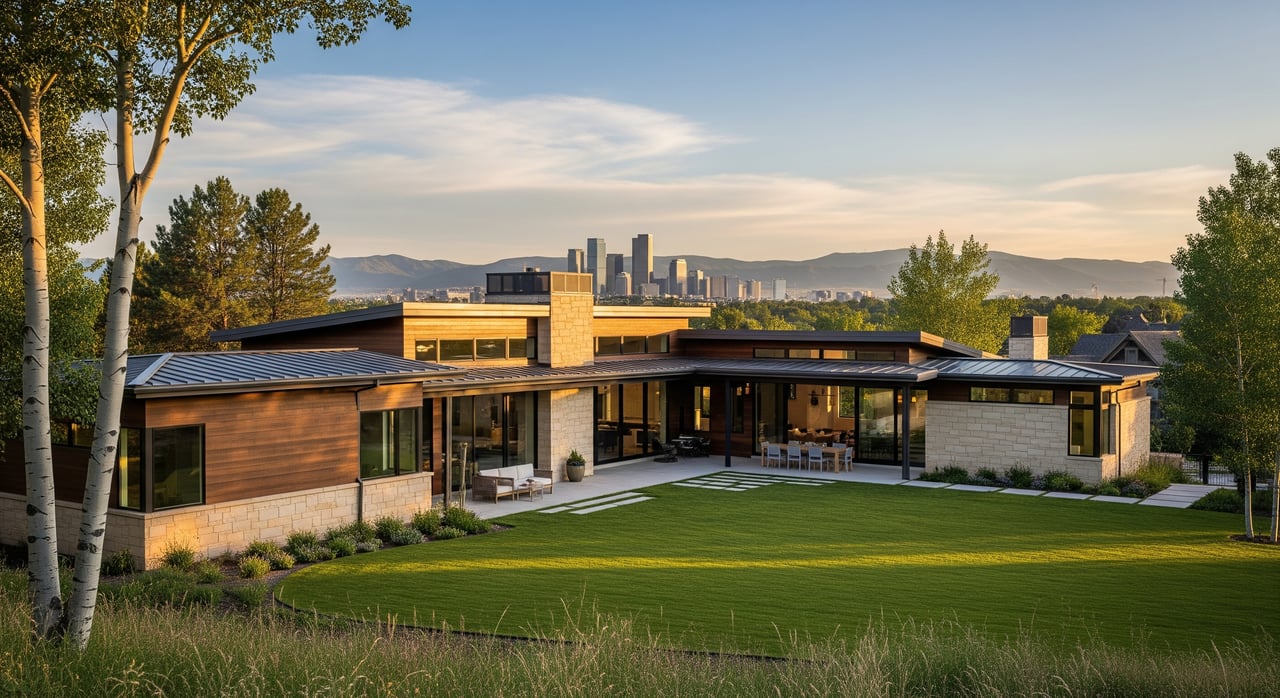
Is a 10‑minute drive to the office worth giving up a bedroom or a bigger yard? Or would you trade a longer commute for more space and privacy? If you work in or around the Denver Tech Center, you face this choice every time you browse listings. You want the right balance of time, convenience, and value. In this guide, you will see how to weigh commute versus space in Greenwood Village and nearby suburbs, using Cherry Creek Vista as a clear example. Let’s dive in.
The DTC and Greenwood Village at a glance
Greenwood Village sits in the heart of the southeast Denver corridor, right alongside the Denver Tech Center. The area mixes established single‑family neighborhoods with pockets of townhomes and condos near major roads. That variety is what makes the commute versus space decision so personal.
If you are a first‑time buyer, you may focus on a shorter commute and lower travel costs. If you are upsizing, space, yards, and school logistics often take priority. Many hybrid workers aim for a balanced middle ground: a manageable commute on in‑office days with enough room for a functional home office.
Commute reality check
A fast commute can be a major quality‑of‑life win, but travel time changes a lot by route and hour. Testing your specific trip matters.
Key routes to the DTC
Major roads that shape your drive include I‑25 and I‑225, the E‑470 tollway, and arterials like University Boulevard, South Quebec Street, and Belleview Avenue. Your best route depends on your exact address and work hours.
What drive times look like
Travel times swing with peak congestion, construction, and incidents. Here are helpful ranges to frame your search:
- Very near DTC in Greenwood Village and adjacent blocks: often single‑digit to low double‑digit minutes most days, especially off‑peak.
- Nearby suburbs such as Centennial and parts of south Denver: commonly 15 to 35 minutes depending on time of day and route.
- Outer suburbs such as Parker and farther east: commonly 25 to 50 minutes or more during peak periods.
Plan to test your exact commute both directions at your real work hours for a week. Off‑peak times can be much faster, and flexible schedules can change the equation.
Transit and flexible options
RTD bus service runs across the DTC corridor, and light rail serves portions of the southeast metro, though coverage varies by building and block. Some employers use shuttles or support park‑and‑ride. Short bike commutes are possible in select areas, but separated bike lanes vary by neighborhood. Hybrid work schedules can reduce the value of a daily short drive and make a slightly longer commute more acceptable.
Space and cost tradeoffs near DTC
Proximity to a major employment hub often raises price per square foot. That can mean smaller homes or attached options close‑in versus larger homes and lots farther out for a similar total price.
What your budget buys
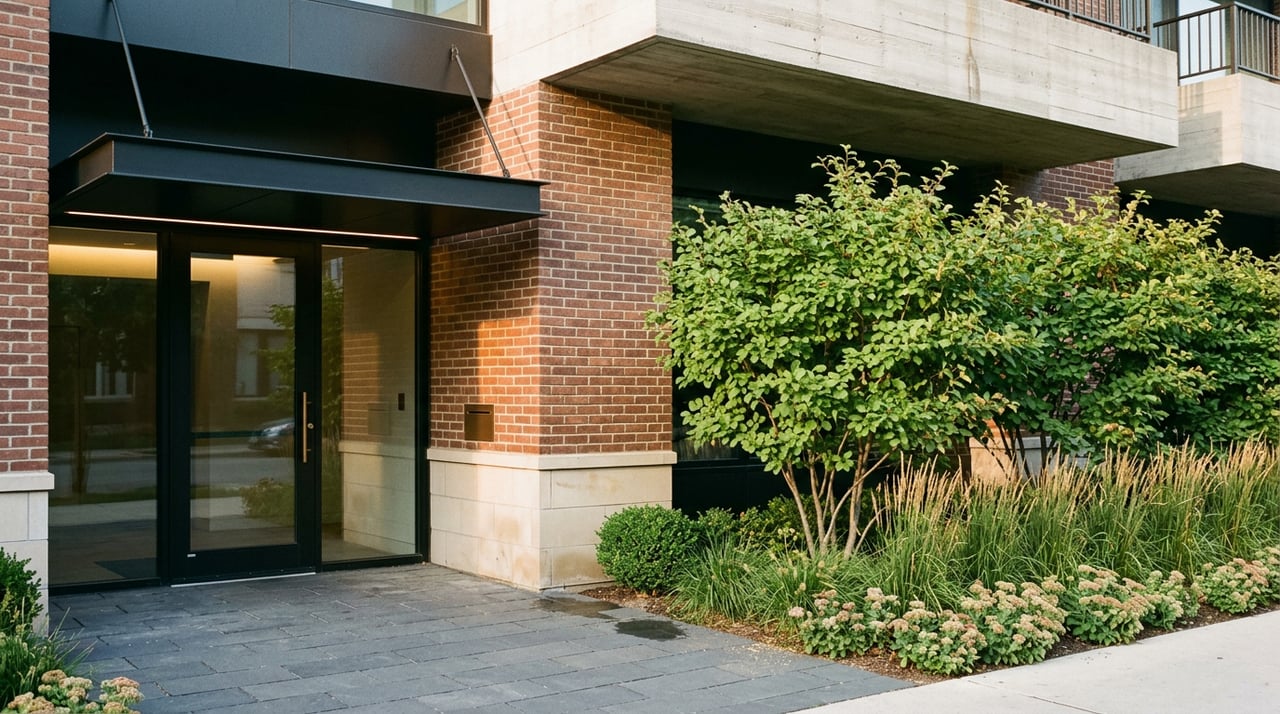
- Closer to DTC: higher price per square foot is common. You may find townhomes, condos, or smaller single‑family homes that keep you minutes from the office.
- Farther out: you often gain square footage, bedroom count, and lot size for similar spend. Utility and maintenance costs can be higher with a bigger home.
- Hidden costs: HOA fees, taxes, and utilities can narrow the apparent savings, especially in new subdivisions or condo communities. Compare the full monthly picture, not just purchase price.
Amenities you feel day to day
- Near DTC: walkable access to restaurants, grocery, fitness, and services. Errands are quick, and nights out are easy.
- Farther out: larger yards, parks, and neighborhood amenities may fit your lifestyle. You may give up walkable retail, but you gain private space for kids, pets, or gear.
Sidewalks, street lighting, and noise levels can change from block to block. Visit at different times of day to gauge your comfort.
Cherry Creek Vista vs farther east
Cherry Creek Vista and its neighboring pockets in Greenwood Village and Centennial offer a helpful comparison point if you want DTC access without being in the core.
Cherry Creek Vista snapshot
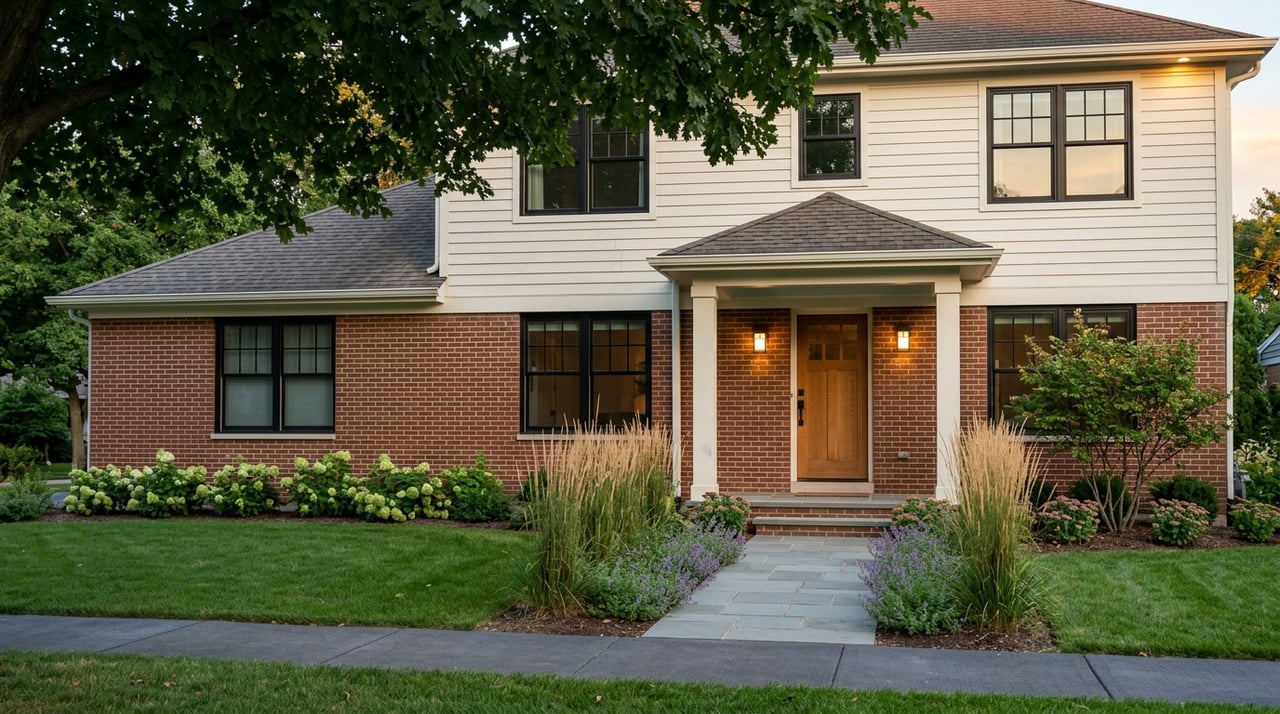
Cherry Creek Vista draws buyers with established streets, mature landscaping, and a mix of townhomes and smaller to mid‑size single‑family homes. You are close to DTC and major roads, which shortens the drive. Many lots are modest compared with outlying suburbs, and price per square foot tends to be higher due to proximity.
Centennial and Parker snapshot
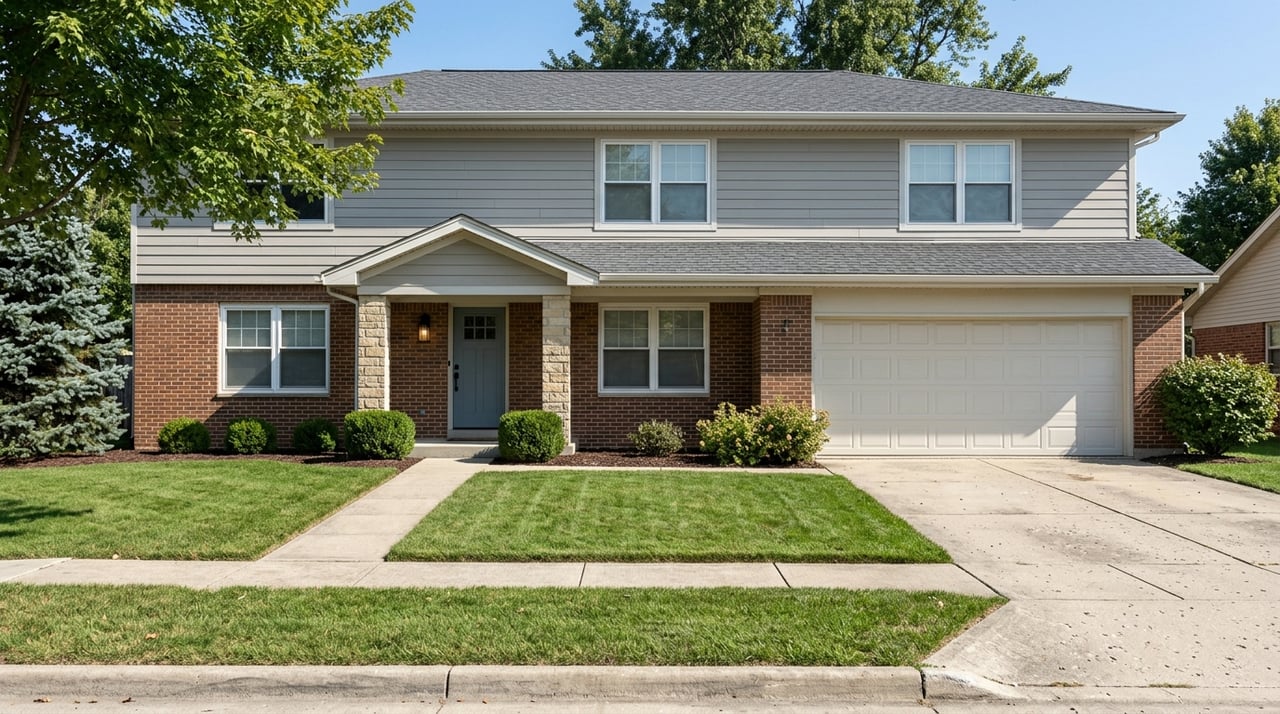
Moving east and southeast into parts of Centennial, Parker, and similar suburbs typically means newer or larger homes, open floor plans, bigger garages, and larger yards. Commutes are usually longer, and you may rely on cars for daily errands. Many households find the space gain compelling if hybrid work reduces their weekly trips to the office.
Street and home‑age details
Homes near arterials can be noisier but offer quicker highway access. Newer subdivisions often include HOAs and modern layouts, while older neighborhoods may need updates yet deliver mature trees and unique character. Consider how you live day to day, from storage to outdoor space to renovation plans.
Quick compare: closer vs farther
| Factor | Closer to DTC (Greenwood Village, Cherry Creek Vista) | Farther Out (Centennial, Parker) |
|---|---|---|
| Typical commute | Often single‑digit to low double‑digit minutes off‑peak; shorter on average | Commonly 25 to 50 minutes at peak times |
| Home type | Townhomes, condos, smaller to mid‑size single‑family | Larger single‑family, often newer builds |
| Lot size | Smaller lots, more attached options | Larger lots and yards |
| Monthly costs | Higher price per sq ft, possible HOA; lower fuel and parking | Lower price per sq ft; higher fuel and maintenance |
| Daily amenities | Walkable retail and dining nearby | More private space, parks, and neighborhood features |
A simple decision framework
Bringing numbers and lifestyle into the same picture helps you choose with confidence.
Crunch the numbers
- Time cost: estimate commute minutes per day times workdays per month times months per year to find annual commute hours. Put a personal dollar value on your time if helpful.
- Vehicle cost: estimate added miles times a per‑mile cost for fuel and wear. Add parking if applicable.
- Housing cost difference: compare mortgage, taxes, insurance, HOA, and an estimate for utilities and maintenance in each location.
- Net monthly comparison: subtract commute savings from the housing difference to see your real monthly tradeoff. Highlight which scenario frees time or budget for what you value.
Weigh lifestyle factors
- Stress and flexibility: longer congested drives can add daily stress. Hybrid schedules or off‑peak hours reduce that burden.
- Family logistics: weigh proximity to childcare, schools, and a partner’s commute. One person’s time savings may outweigh the other’s.
- How you live: decide if you prefer evening amenities and quick errands or a larger yard and room to spread out.
- Resale patterns: homes near employment centers can benefit when job growth is strong. Larger suburban homes often attract owner‑occupant demand. Your five to ten year plan matters.
Step‑by‑step checklist
- Define non‑negotiables such as bedrooms, minimum yard, commute limit, and desired school district.
- Test‑drive your commute both directions for a full week at your actual hours.
- Compare three real listings across the spectrum: close and smaller, mid‑distance, and farther and larger. Include mortgage, taxes, HOA, utilities, maintenance, and commute costs.
- Ask your employer about flexible hours, parking or transit support, and shuttle options.
- Confirm school boundaries and policies with the district and check city or county planning for upcoming development.
- Map life stage changes over five to ten years, including potential job shifts or childcare needs.
- Use a simple spreadsheet to calculate net monthly differences and sensitivity to gas prices or rate changes.
- Walk the blocks in person to assess noise, lighting, sidewalks, and transit stop proximity.
Schools and services to confirm
Much of Greenwood Village and the southeast metro is served by the Cherry Creek School District. Boundaries can change, so confirm current school assignments directly with the district. Property taxes are set at county and local levels and vary by assessed value. HOAs are common in newer subdivisions and many townhome or condo communities near employment corridors. Larger homes often carry higher utility and maintenance costs, while smaller, newer units closer in may be more energy efficient but include HOA dues.
Make your move with local guidance
You do not have to choose between a stressful commute and a home that feels too small. With a clear plan, you can find a home that fits how you work and live. If you want help pressure‑testing commute times, comparing full monthly costs, and zeroing in on the right Greenwood Village or south metro neighborhood, connect with a neighborhood‑savvy pro. Debbie Jacobs blends local market expertise with practical, construction‑informed advice so you can buy with confidence. Book an Appointment to get a personalized commute‑versus‑space comparison and a short list of homes that match your goals.
FAQs
What are typical DTC commute times from Greenwood Village?
- Very close‑in neighborhoods often see single‑digit to low double‑digit minutes most days off‑peak, while peak travel can extend times depending on route and incidents.
How does hybrid work change the commute versus space tradeoff?
- Fewer in‑office days reduce the value of a daily short drive, which can make a larger home farther out more attractive for office setups and family space.
What housing types are common in Cherry Creek Vista?
- You will find established single‑family homes and townhomes with mature landscaping, generally on modest lots compared with outlying suburbs.
How should I approach school considerations in this area?
- Many neighborhoods are served by the Cherry Creek School District, and you should confirm current boundaries and enrollment policies directly with the district.
What ongoing costs should I compare beyond mortgage?
- Include HOA dues, property taxes, insurance, utilities, and maintenance, plus commute fuel, parking, and wear to get a true monthly picture.